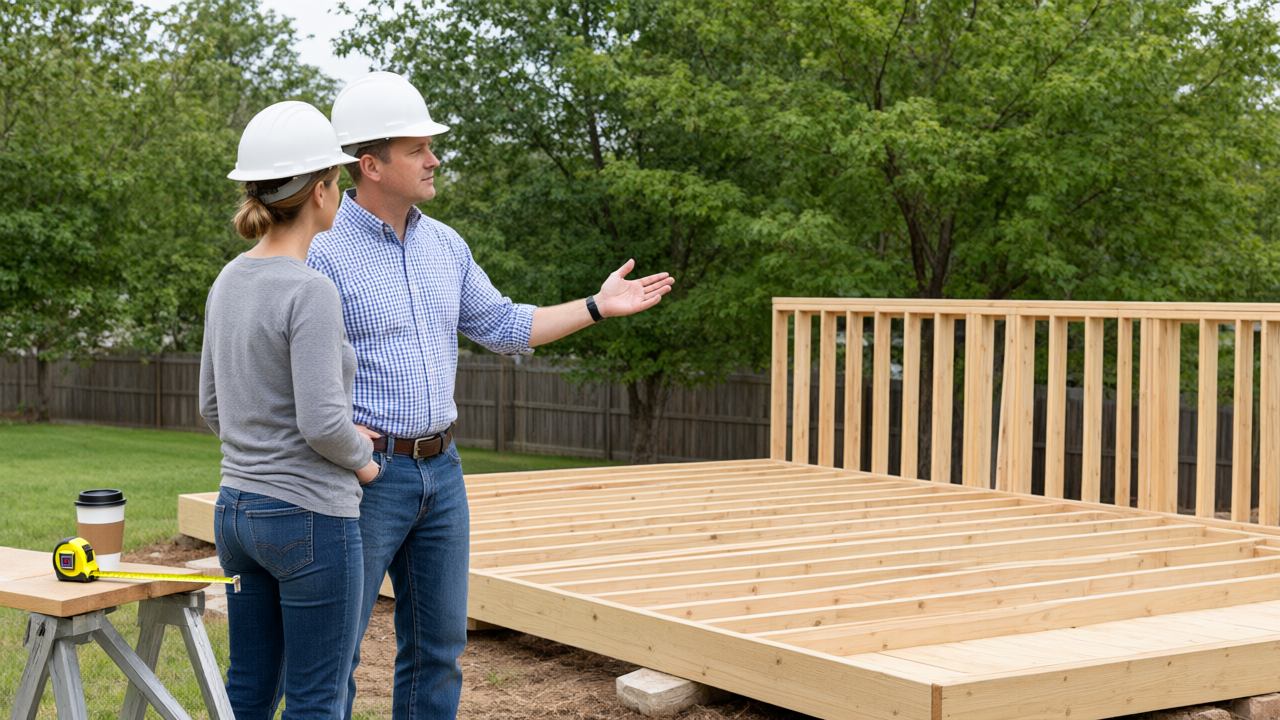
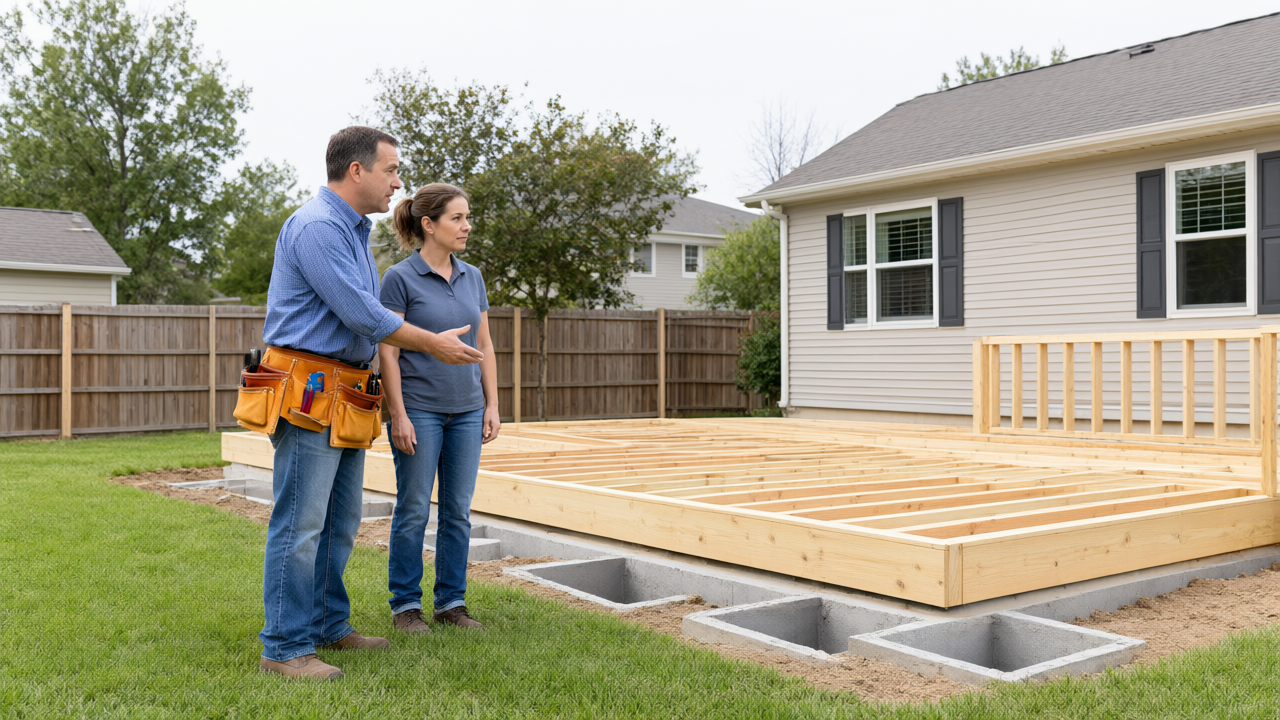
A basic 16x20 wood deck in Arlington Heights runs somewhere between $14,000 and $26,000 in 2026, depending on materials and site conditions. But here's what most homeowners discover six months after the build: the deck itself is only about 70% of the finished product. The other 30%, the details that make people actually want to spend a Saturday evening out there, is where the real value lives. Built-in seating, upgraded railings, proper lighting, and a pergola are the upgrades that turn a platform into a room. They also happen to be the ones that hold up best at resale in the northwest suburbs.
Why Built-In Seating and Planters Pay Off for Arlington Heights Decks
Walk through any neighborhood near downtown Arlington Heights, the older blocks around Sigwalt and Miner, or the newer builds off Palatine Road, and you'll notice something about the decks that look intentional versus the ones that look like afterthoughts. The intentional ones have seating built into the structure. It's a small design decision with an outsized impact.
Built-in benches typically run along the perimeter of the deck, using the same framing and decking material as the field. A standard bench, roughly 16 inches deep and 18 inches tall, costs about $600 to $1,200 per linear foot installed depending on material. Compare that to buying a comparable outdoor sofa set, which runs $1,500 to $4,000 and needs replacing every five to seven years. The built-in version is part of the house. It never blows off in a storm, never needs to be stored, and adds visual weight to the space.
Planters work the same way. A built-in planter box at the corner of a deck, usually 24 to 36 inches square and lined with drainage fabric, costs $400 to $900 installed. It solves the problem of where to put greenery without cluttering the walking surface. Homeowners in Arlington Heights deal with heavy clay soil and freeze-thaw cycles that crack cheap ceramic pots by February. A cedar or composite planter tied into the deck framing doesn't care about any of that.
Here's the insider part: you do not need a carpenter for every one of these. If your deck is already built and you just want a freestanding planter box, a decent miter saw and a Saturday afternoon will get you there. Hire a professional when the seating or planter needs to be structurally integrated, meaning it carries load or ties into the existing framing. That's where mistakes get expensive.
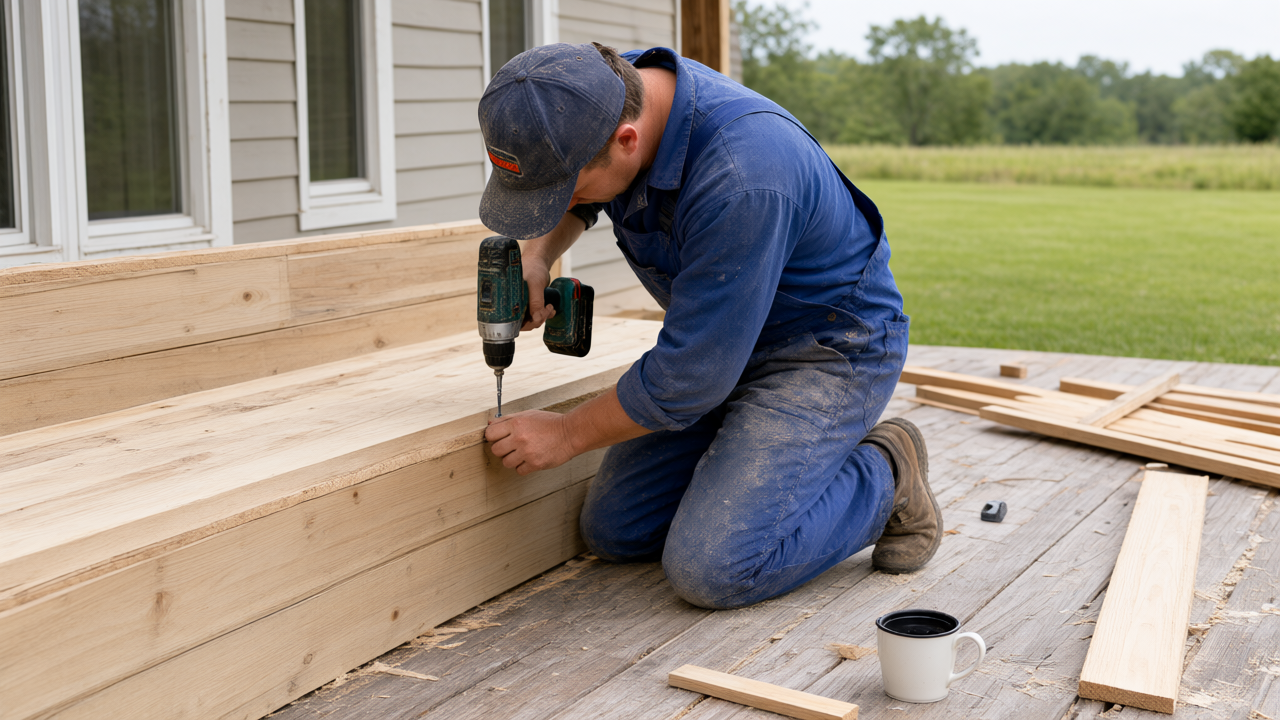
Upgrading Railings: Aluminum, Cable, and Composite Options That Last
Railings are the single most visible upgrade on any deck, and they're also the one homeowners most often get wrong by choosing based on price alone. The three main options in the Arlington Heights market each solve a different problem.
Powder coated aluminum is the workhorse. It costs $65 to $110 per linear foot installed, never rots, never needs painting, and holds up to the salt and moisture that come with Illinois winters. Most aluminum systems carry a 20 to 25 year finish warranty. If you want low maintenance and a clean, modern look, this is the answer.
Cable railing runs $110 to $180 per linear foot and delivers the most open sightline, which matters if your deck faces a treeline or a pond. The tradeoff is maintenance. Stainless steel cable needs periodic tension checks, and cheaper galvanized cable will rust within a few seasons. If you go cable, insist on 316 grade stainless, not 304. The price difference is small. The lifespan difference is not.
Composite railing sits in the middle at $75 to $130 per linear foot and matches your decking if you've gone that route. It's a strong choice for homeowners who want visual consistency and don't mind the slightly bulkier profile.
One red flag to watch for: contractors who quote railing by the "section" without specifying post spacing. Standard code in most of Illinois requires posts no more than 6 feet apart on center, and many municipalities, including Arlington Heights, enforce a 4 inch maximum gap between balusters. If a quote doesn't mention either number, ask. A railing that fails inspection gets torn out at your expense.
Deck Lighting and Pergola Add-Ons That Extend Your Outdoor Season
The average Arlington Heights homeowner uses their deck from roughly May through early October. Add proper lighting and a pergola, and that window stretches to April through November. That's not marketing talk. It's simple physics and human behavior. People don't sit outside in the dark, and they don't sit outside in direct midday sun when it's 92 degrees.
Deck lighting comes in three tiers. Post cap lights, the small solar or low voltage units that sit on top of railing posts, cost $40 to $90 each installed and give you safety lighting on stairs and edges. Recessed deck lights, set flush into the deck boards or fascia, run $75 to $150 per fixture and provide ambient glow without glare. Hardwired low voltage systems with a transformer and timer, the kind that tie into your home's electrical, start around $1,800 to $4,500 for a typical deck and are the ones that actually look professional at night.
Pergolas are the bigger commitment. A 12x14 cedar pergola, built by Burns Carpentry using their Pergola Building service, typically lands between $4,500 and $9,500 installed depending on span, lumber grade, and whether you add a slatted roof or a retractable canopy. The payoff is shade that makes a south or west facing deck usable at 2pm in July, and a defined ceiling that makes string lights and hanging planters look intentional instead of improvised.
Homeowners who add both lighting and a pergola report using their deck 3 to 4 more months per year than they did before. That's roughly 120 extra evenings outside, which works out to about $50 per evening on a $6,000 combined upgrade over a 10 year span.
If you're handy with low voltage wiring and comfortable on a ladder, post cap lights are a legitimate DIY project. Pergolas are not, unless you've framed structures before. A poorly anchored pergola becomes a projectile in a 60 mph Illinois thunderstorm.
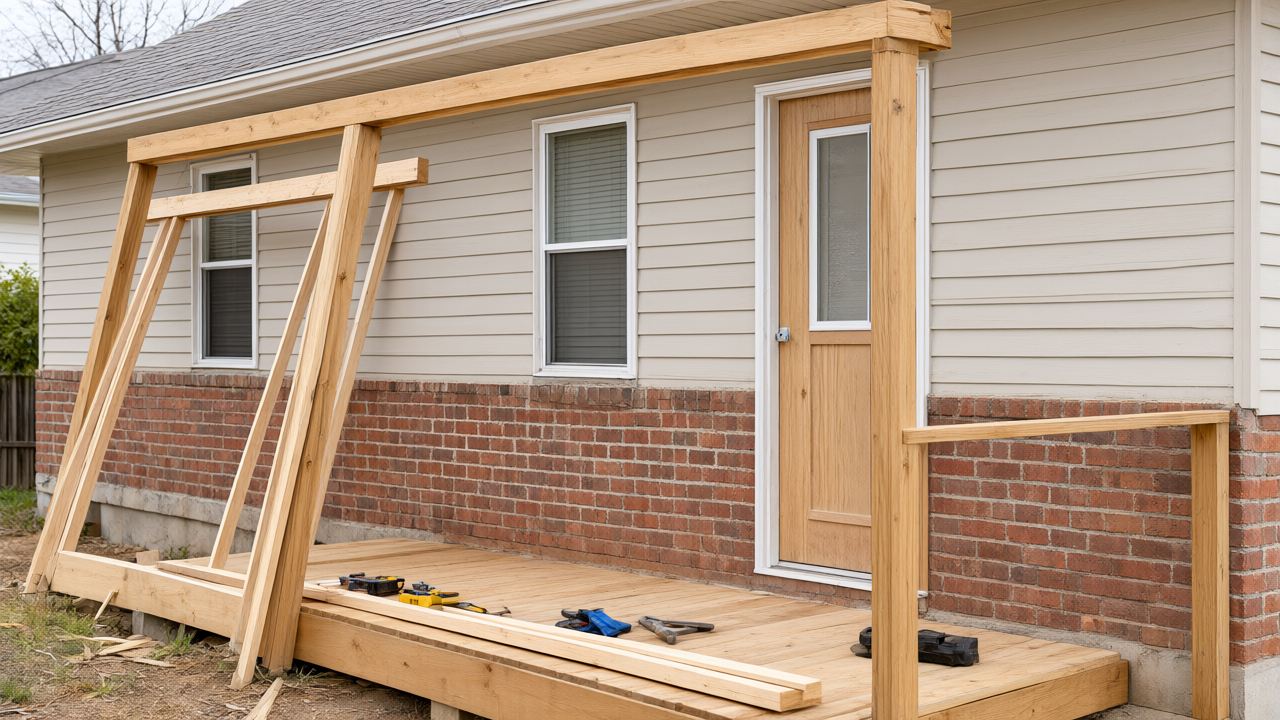
Budget Ranges for Finishing Touches on Arlington Heights Decks in 2026
Here's what these upgrades actually cost in the current market. These ranges assume a typical 300 to 400 square foot deck and reflect 2026 material and labor pricing in the northwest suburbs.
- Built-in bench seating: $600 to $1,200 per linear foot installed, typical project $2,400 to $6,000
- Integrated planter boxes: $400 to $900 each, typical project $800 to $2,700
- Aluminum railing upgrade: $65 to $110 per linear foot, typical project $3,200 to $6,600 for 50 linear feet
- Cable railing upgrade: $110 to $180 per linear foot, typical project $5,500 to $9,000
- Post cap lighting: $40 to $90 per post, typical project $500 to $1,400
- Hardwired low voltage lighting system: $1,800 to $4,500
- Cedar pergola (12x14): $4,500 to $9,500 installed
A homeowner who adds seating, upgrades to aluminum railing, and installs a proper lighting system is looking at roughly $8,000 to $14,000 on top of the base deck cost. That's a meaningful number, and it's worth asking whether every piece is the right fit for your specific yard. If your deck faces north and gets shade all afternoon, skip the pergola. If your railing is already code compliant and in good shape, spend the money on lighting instead.
Burns Carpentry provides free estimates for Deck Building projects across Arlington Heights and the surrounding areas, and the estimate process includes a site visit so the numbers reflect your actual yard, not a generic square footage calculation.
How These Upgrades Affect Resale Value in the Arlington Heights Market
Not every upgrade returns dollar for dollar at resale, and anyone who tells you otherwise is selling something. Here's the honest breakdown based on what actually moves the needle in the Arlington Heights market.
Railings and lighting tend to hold value best. They read as "finished" to buyers and appraisers, and they photograph well in listings. A deck with proper lighting and clean aluminum railing looks like a $30,000 outdoor room. The same deck with builder grade wood railing and no lighting looks like a $15,000 platform.
Pergolas are a mixed bag. Buyers who want one love them. Buyers who don't may see maintenance. Cedar pergolas need staining every two to three years in this climate, and some buyers factor that into their offer. A pergola rarely hurts, but it doesn't reliably add the full cost back either.
Built-in seating is a modest positive. It signals quality construction and thoughtful design. It won't show up as a line item on an appraisal, but it contributes to the overall impression that the home was well maintained.
The bigger picture: Arlington Heights homes with well executed outdoor living spaces consistently sell faster than comparable homes without them, often by 2 to 4 weeks in a normal market. In a slower market, they're the ones that get shown. If you're planning to sell within two years, prioritize railing, lighting, and a clean finish over pergola and elaborate built-ins. If you're staying five years or more, build what you'll actually use and enjoy.
Frequently Asked Questions
How much does it cost to add finishing touches to a deck in Arlington Heights?
Most homeowners spend between $5,000 and $14,000 on finishing touches like upgraded railing, lighting, built-in seating, and pergola additions. The exact number depends on deck size, material choices, and how many upgrades you combine. A single upgrade like post cap lighting might run $500 to $1,400, while a full package with aluminum railing, lighting, and a cedar pergola can exceed $15,000.
Do I need a permit to add a pergola or railing to my deck in Arlington Heights?
In most cases, yes. Arlington Heights requires permits for structural additions including pergolas and railing replacements that alter the existing structure. Burns Carpentry handles the permit application process with the village as part of their deck building and pergola projects, which saves homeowners the back and forth with the building department.
What's the best railing material for an Illinois climate?
Powder coated aluminum is the most durable choice for northern Illinois. It resists moisture, temperature swings, and road salt better than wood or composite, and it never needs painting or staining. Cable railing looks better if you want an open view, but only if you use 316 grade stainless steel cable. Composite railing is a solid middle option for homeowners who want a consistent look across decking and railing.
Will adding a pergola or lighting actually increase my home's value?
Lighting and upgraded railing tend to return the most at resale because they read as "finished" to buyers and appraisers. Pergolas help homes sell faster but don't reliably return their full cost. If you're planning to sell within two years, prioritize railing and lighting. If you're staying long term, build the outdoor space you'll actually use.
If you're in Arlington Heights or anywhere in the northwest suburbs and you're ready to turn your deck into a space you actually use, Burns Carpentry handles deck building, pergola construction, and the finishing details that make it all work together. They'll walk your yard, give you a straight answer on what's worth doing and what isn't, and quote the project for free. Call them before you buy a single board.