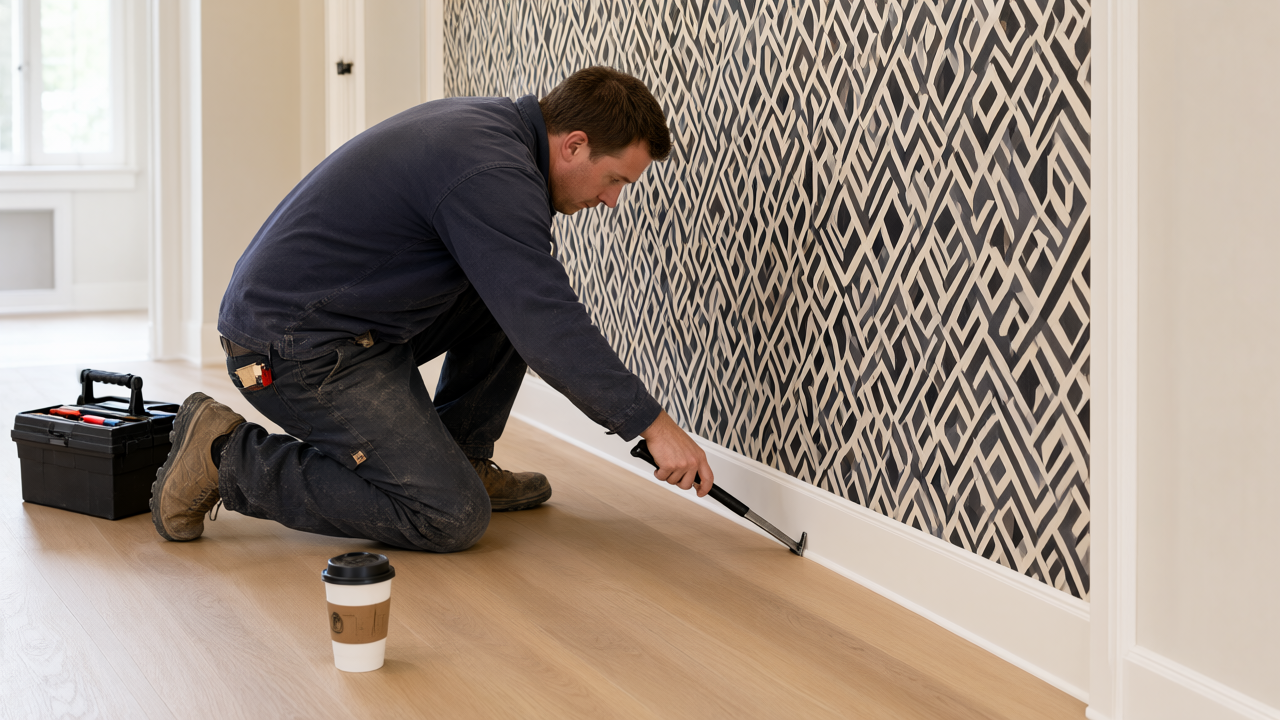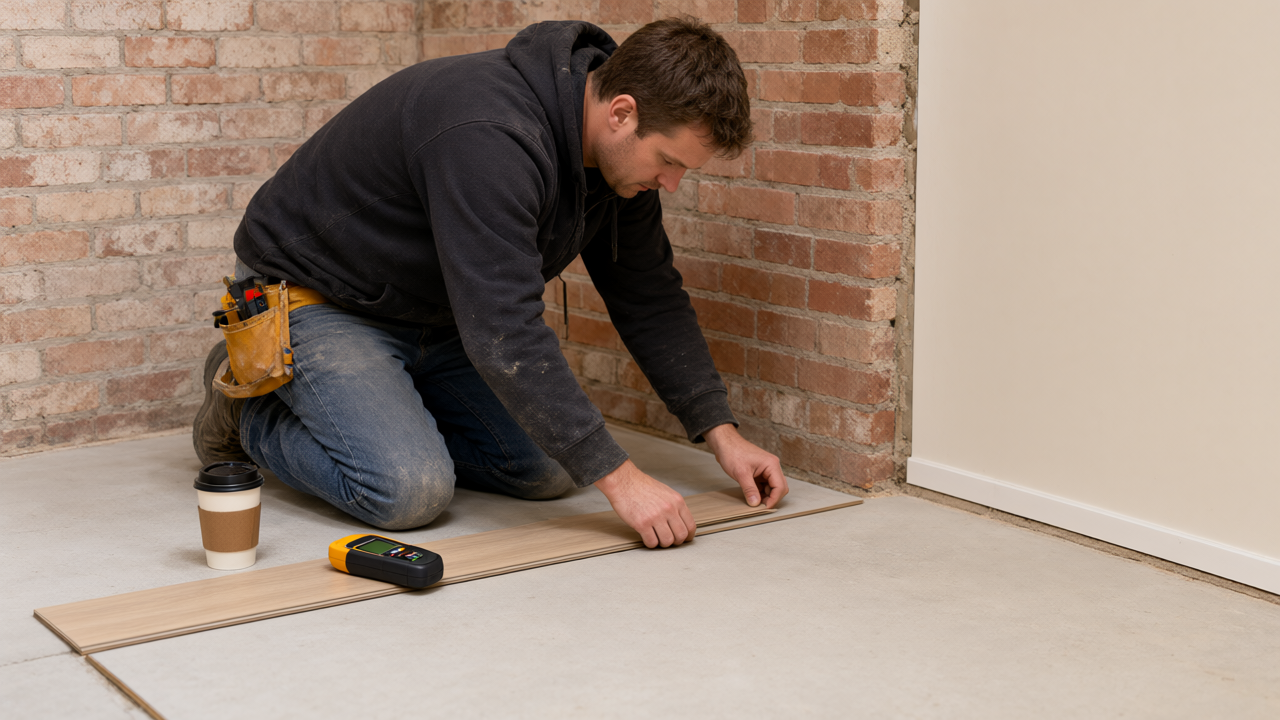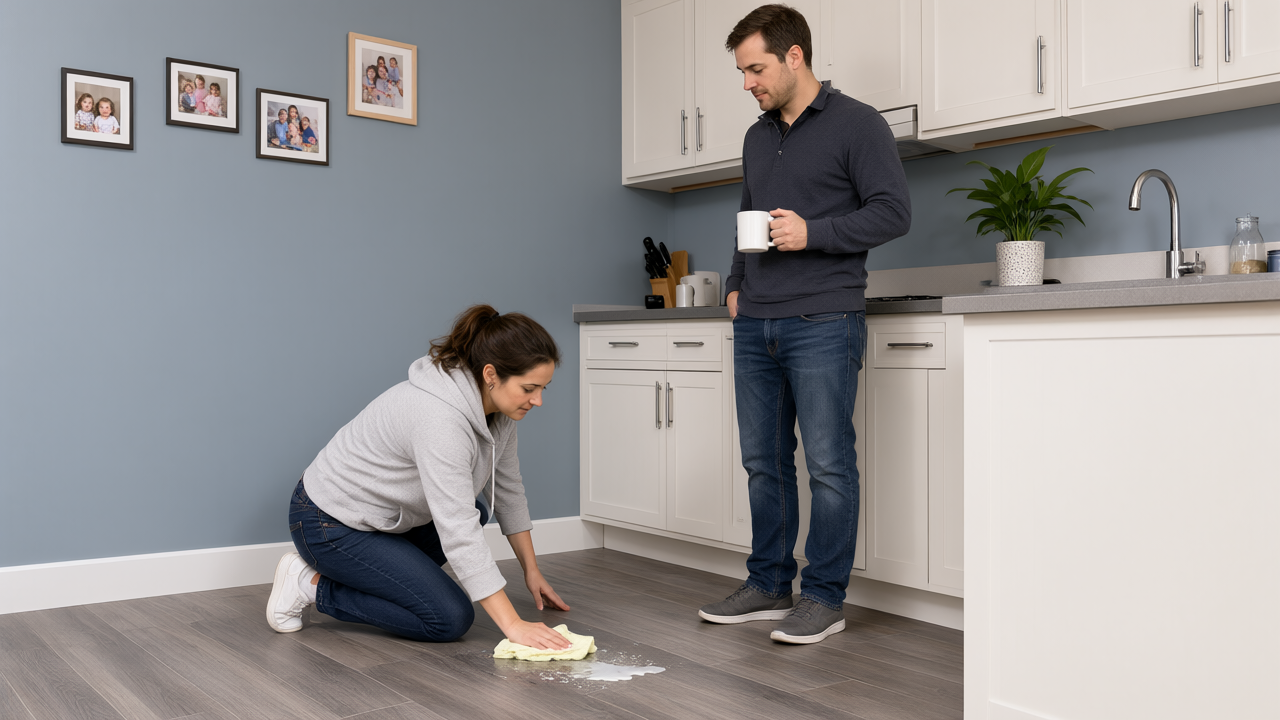
Laminate flooring is the most popular hard surface in Cary, IL kitchens for one simple reason: it looks like hardwood at roughly a third of the price. But ask any flooring installer what kills a laminate floor fastest and you will get the same answer every time. Water. Not traffic, not dropped pots, not dog claws. Water. And the kitchen is where water shows up uninvited more than any other room in the house. The good news is that most kitchen spill damage is preventable, and the fixes cost far less than a new floor. Here is how Laminate Flooring in Cary, IL kitchens actually behaves when spills happen, and what to do about it.
Why Kitchens Are the Riskiest Room for Laminate Flooring in Cary, IL Homes
Laminate is a wood composite core sandwiched between a photographic layer and a clear wear layer. That core is the problem. It is essentially dense particleboard, and particleboard swells when it absorbs water. Unlike hardwood, which can sometimes be sanded and refinished after minor water exposure, laminate cannot. Once the core swells, the plank edges pucker, the seams lift, and the damage is permanent.
Cary kitchens put laminate under more stress than almost any other room. A typical family kitchen generates dozens of small water events every week: sink splashes, dishwasher steam, a dripping ice maker line, wet hands carrying a glass to the table. Add McHenry County's humid summers, when indoor relative humidity can sit above 60% for weeks, and the floor is absorbing moisture from the air on top of what hits the surface. Winter runs the opposite direction, with forced air heat dropping indoor humidity below 25% and pulling moisture out of the seams, which is why you sometimes hear laminate click and pop in January.
Here is the part most homeowners never hear. Laminate manufacturers typically void the warranty on any plank that shows water damage, because the product is rated for moisture resistance, not water resistance. Those are different words with very different meanings. A laminate floor can handle a spilled glass of water wiped up in a few minutes. It cannot handle standing water, and it cannot handle repeated small leaks from a fridge supply line that nobody notices for three weeks.
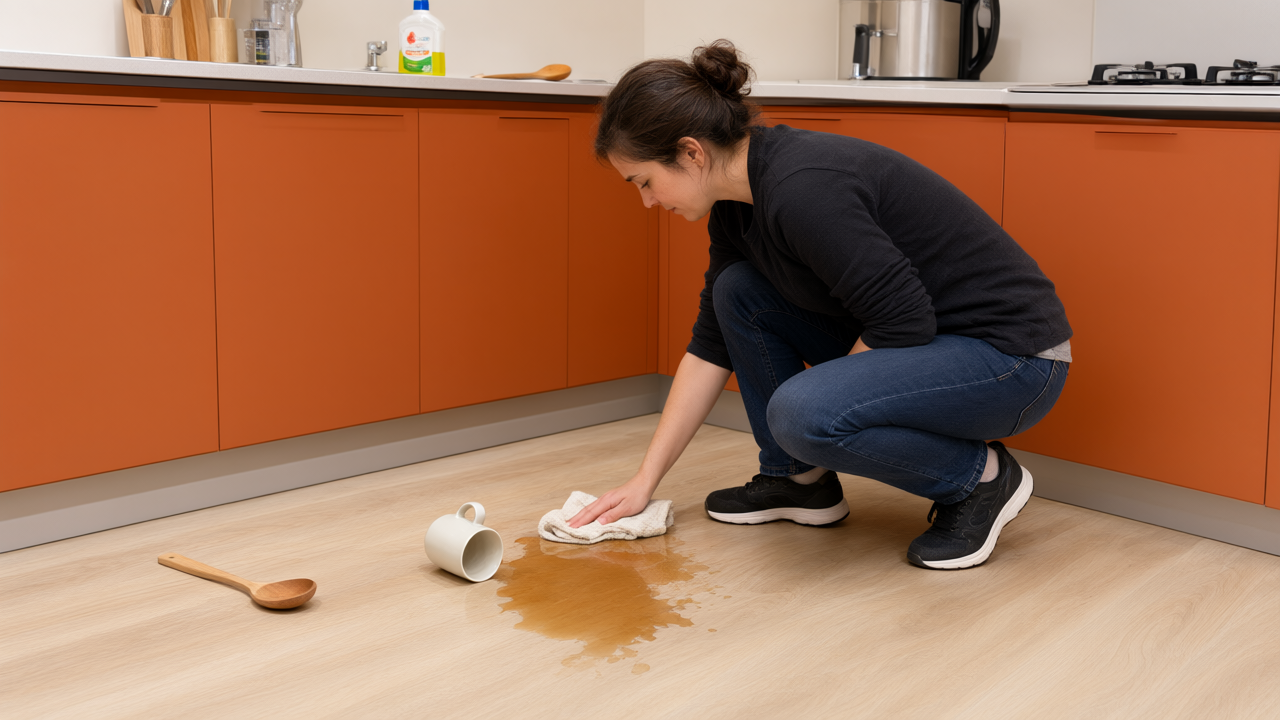
The 5 Most Common Kitchen Spills and How Fast They Damage Laminate
Not all spills are equal. Speed matters, volume matters, and temperature matters. Here is how the five most common kitchen accidents rank by damage potential.
- 1. Dishwasher or sink supply line leak. The worst of the bunch. A slow drip under the cabinet can run for days before you notice, and by the time you see cupping at the plank seams, the damage is already underneath your cabinets. This is the number one cause of full kitchen floor replacement we see in Cary.
- 2. Refrigerator water line failure. These fail suddenly and dump a surprising volume, often 5 to 15 gallons before anyone catches it. If your fridge has an ice maker, you have a pressurized water line running to it right now.
- 3. Overflowing sink or tub. A forgotten running faucet can put a quarter inch of standing water across 20 square feet in under ten minutes. Laminate seams start wicking water within about 15 minutes.
- 4. Dropped pot of pasta water or soup. Hot liquid is worse than cold because heat softens the adhesive and opens the seams faster. A gallon of boiling water can warp four or five planks within an hour.
- 5. Everyday splashes around the sink and dishwasher. Individually harmless. Cumulatively, this is what turns the planks directly in front of the sink gray and swollen over three to five years. The seam closest to the dishwasher is almost always the first to fail.
If you take nothing else from this article, take this: the damage clock starts at the seam, not the surface. Water sitting on top of a sealed plank does very little. Water that reaches the tongue and groove joint and gets into the core is what destroys the floor.
Sealing Strategies: Caulk Lines, Transition Strips, and Baseboard Protection
You cannot waterproof a laminate floor. What you can do is slow water down long enough to wipe it up, and that is worth real money. Burns Carpentry installs laminate flooring in Cary kitchens with these protections built into the job, and you can retrofit most of them onto an existing floor.
Caulk the perimeter with a flexible silicone or siliconized acrylic. Run a bead where the floor meets the toe kick, the baseboard, and any cabinet or island. This keeps spills from running under the cabinets where you cannot reach them. Use 100% silicone near the sink and dishwasher, and paintable acrylic caulk elsewhere so it blends. Re-caulk every two to three years, because caulk shrinks and cracks as the house moves through freeze and thaw cycles.
Install transition strips at every doorway and appliance edge. A T-molding or reducer at the kitchen entry, and a bead of clear silicone where the floor meets the dishwasher and refrigerator footprint, blocks the path water takes when it runs toward a seam. This is a $30 to $80 material upgrade during installation that most installers skip unless you ask.
Protect the baseboards and toe kicks. If your sink cabinet has an exposed toe kick, a strip of peel and stick waterproof membrane along the bottom edge keeps splash water from soaking the cabinet and migrating under the floor. Same idea behind the dishwasher.
Put a waterproof mat under the sink and the fridge. A $15 to $40 absorbent or containment mat with a lip catches drips from supply lines and disposal leaks. This is the single cheapest insurance policy in the kitchen.
One honest note: if you are planning a kitchen remodel and your heart is set on a floor that genuinely tolerates standing water, look at Vinyl Flooring instead. Burns Carpentry installs both, and we will tell you straight when vinyl plank is the better call. Laminate wins on price and feel. Vinyl wins on water, every time.
What to Do in the First 30 Minutes After a Major Spill
The first half hour decides whether you are looking at a $200 repair or a $4,000 floor replacement. Follow this in order.
- Stop the source. Shut off the supply valve, pull the fridge away from the wall, or kill the breaker if it is an appliance leak. Do not start mopping until the water has stopped running.
- Pull everything off the floor. Rugs, pet bowls, chair mats, the trash can. Anything sitting on wet laminate is trapping moisture against the surface.
- Blot, do not wipe. Use towels or a wet vac and press down on the spill. Wiping pushes water sideways into seams you would rather keep dry.
- Get airflow moving immediately. Point a box fan or two across the wet area and run a dehumidifier if you have one. Air movement does more in 30 minutes than a fan sitting idle does in a day.
- Do not use heat. No hair dryers, no space heaters, no heat guns. Heat warps laminate and can lift the wear layer. Room temperature air only.
- Watch the seams for the next 48 hours. Look for cupping (edges higher than the center), crowning (center higher than the edges), dark discoloration, and any soft or spongy spots underfoot. Photograph anything you see, with a ruler next to it. That documentation matters if you file an insurance claim.
- Call your insurance agent if the spill involved an appliance failure. Most homeowners policies cover sudden and accidental water discharge, and the difference between a covered claim and an out of pocket replacement often comes down to whether you reported it promptly.
When Spill Damage Means It's Time for Repair or Replacement (2026 Cary Pricing)
Here is the rule of thumb. If the damage is confined to a few planks near a seam and the surrounding planks are flat and firm, a plank replacement is realistic. If the swelling runs under a cabinet, spreads across more than about 10 square feet, or you can feel soft spots when you walk, you are looking at a larger repair or a full replacement.
Current 2026 pricing for laminate work in the Cary area runs roughly like this. A small plank replacement of one to five boards typically costs $300 to $700 including labor and matching material, assuming the original laminate is still available. Matching discontinued laminate is the wild card, and if your floor is more than five years old, there is a real chance the exact product is gone. A partial kitchen replacement of 100 to 150 square feet generally lands between $1,200 and $2,400. A full kitchen replacement, typically 200 to 300 square feet with removal and disposal of the old floor, runs $2,500 to $5,000 depending on material grade.
Also budget for the hidden cost nobody mentions: if water got under the cabinets, you may be paying to remove and reset the base cabinets, which can add $800 to $2,000 to the project. This is exactly why perimeter caulking and under sink mats matter so much. They are cheap now and expensive to skip.
One thing we tell every Cary homeowner before they spend a dollar: if the leak came from a failed appliance or plumbing line, file the insurance claim before you sign a repair estimate. Adjusters want documentation, and a written assessment from a licensed contractor carries far more weight than photos alone.
Frequently Asked Questions
Can laminate flooring in a kitchen handle water spills?
It handles small spills that you wipe up within a few minutes. It does not handle standing water, slow leaks, or repeated moisture exposure. If your kitchen sees frequent water, vinyl flooring is the more forgiving choice and Burns Carpentry installs both.
How much does it cost to replace water damaged laminate flooring in Cary, IL?
A small plank repair runs $300 to $700. A partial kitchen replacement is typically $1,200 to $2,400, and a full kitchen replacement runs $2,500 to $5,000 in 2026. If cabinets have to come out, add another $800 to $2,000.
How do I stop water from getting under my laminate floor in the kitchen?
Caulk the perimeter where the floor meets cabinets and baseboards, install transition strips at doorways and appliance edges, use a containment mat under the sink and fridge, and re-caulk every two to three years. These steps cost under $150 total and prevent the majority of seam damage.
Is it worth repairing water damaged laminate or should I just replace it?
If damage is limited to a few planks and the rest of the floor is flat and solid, repair makes sense. If swelling has spread under cabinets, covers more than about 10 square feet, or the floor feels soft underfoot, replacement is usually the smarter spend because a patch will not stop the damage from spreading.
If water has already gotten into your kitchen laminate and the seams are cupping, Burns Carpentry handles laminate flooring repair and replacement across Cary and the surrounding McHenry County area. Andy Burns and his crew will give you a straight assessment of whether a plank repair will hold or whether replacement is the better call, along with a free estimate and a clear price before any work starts. If it is a small fix you can handle yourself with a tube of silicone and a mat, they will tell you that too.