
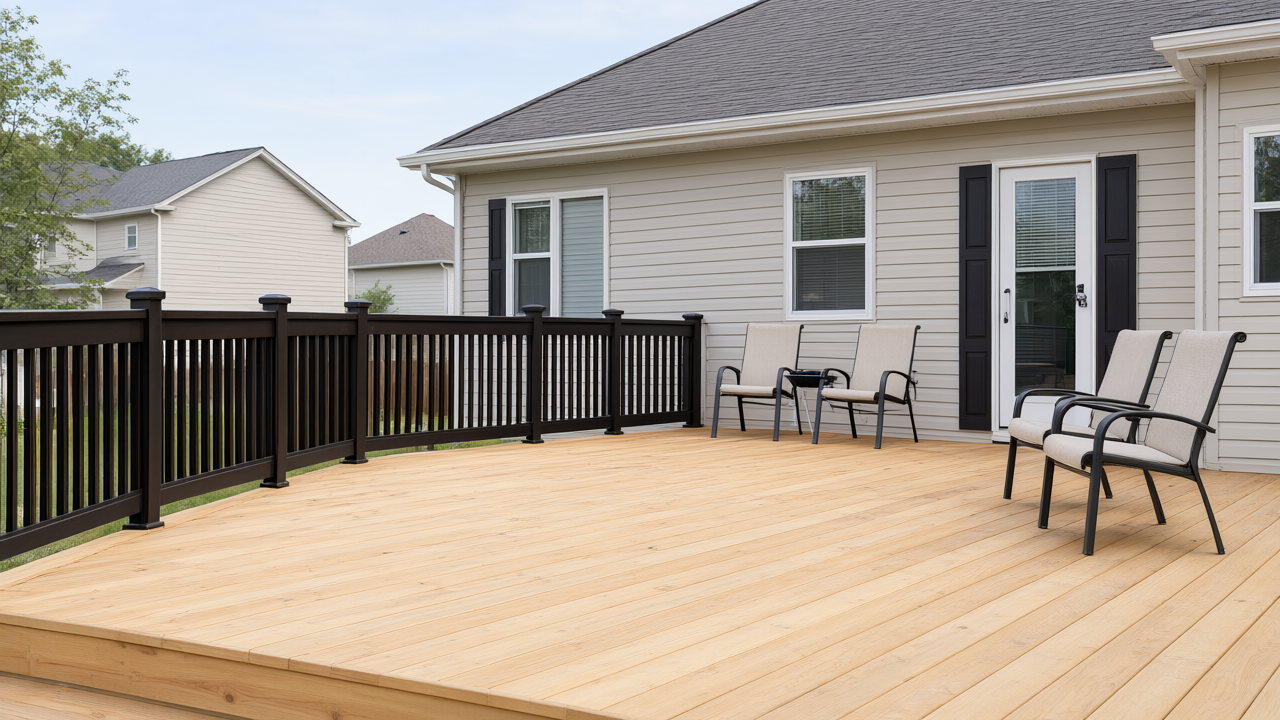
If you are weighing Deck Building vs. a porch for your Cary, IL home, you might be surprised to learn that the "higher value" option isn't always the more expensive one. Most homeowners assume a grand, screened-in porch offers a better return, but recent market data from the Northwest suburbs suggests otherwise. In McHenry County, a well-built wood deck typically recoups 65-70% of its cost at resale, while a fully enclosed porch often struggles to cross the 55% threshold. The real difference comes down to how buyers in the 60013 zip code actually use their outdoor space, and that changes the math significantly.
Deck vs. Porch: What's the Real Difference in Cary, IL?
Before digging into costs and returns, it helps to define these structures the way a contractor and an appraiser would. A deck is a roofless platform, typically elevated off the ground, constructed with a framing system of joists and beams. In Cary, you will see them attached to the back of homes, usually 12 to 18 inches above grade, built from pressure treated lumber or composite materials. They are open to the sky and designed for direct sun exposure and grilling.
A porch, by contrast, is a covered structure. It has a roof supported by posts or columns and often includes a ceiling. Porches in Cary range from simple open front stoops to fully screened three-season rooms. The key distinction is the roof. That roof adds significant structural complexity, which means more footings, more beams, and a more involved connection to your home's existing roofline.
This distinction matters for your wallet. Because a porch requires roof integration and often a concrete slab or stone base, the cost per square foot is measurably higher. A deck is essentially a large floor system. A porch is a floor system plus a roof system plus walls or screens. That is why you rarely see a 400 square foot porch built for the same price as a 400 square foot deck in the Cary area.
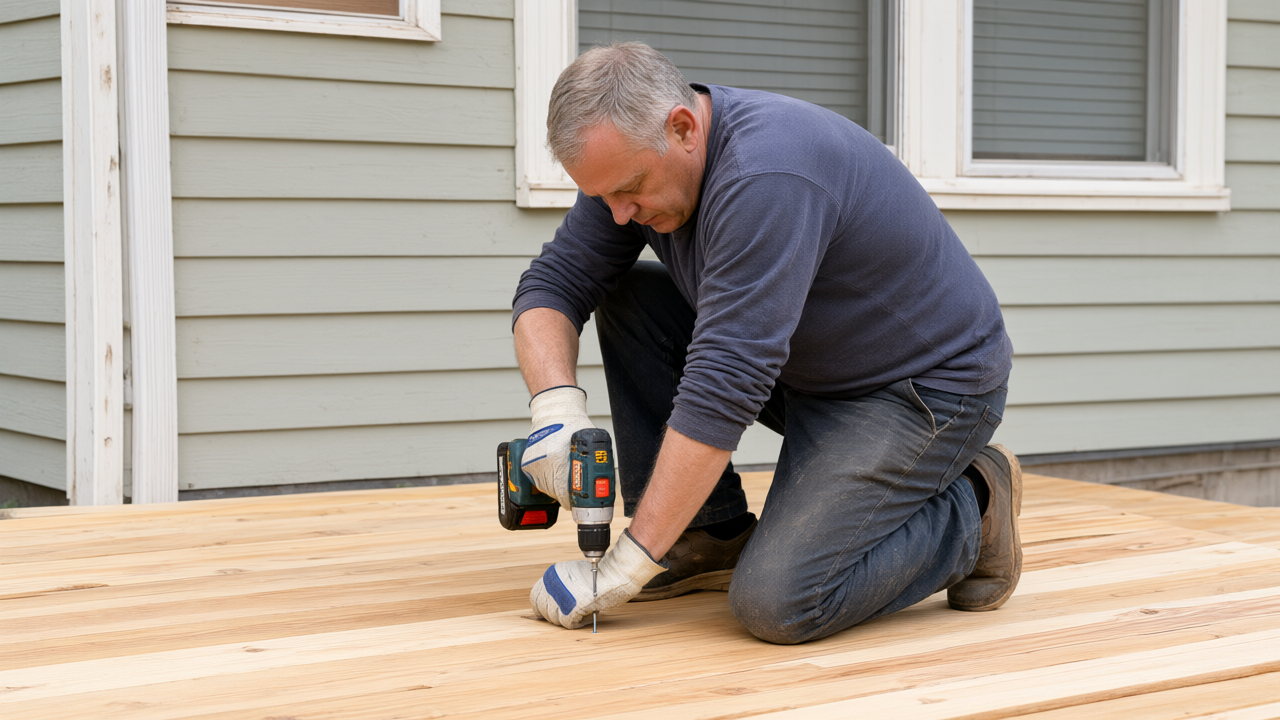
2026 Cost Comparison: Deck Building vs. Porch Installation in Cary
Let's talk real numbers for 2026. Material prices have stabilized somewhat since the post-pandemic spikes, but labor rates in the Chicago suburbs remain high due to a persistent shortage of skilled carpenters. In the Cary area, you should expect to pay $35 to $55 per square foot for a pressure treated wood deck, installed. That includes footings, framing, decking boards, railings, and stairs. A 300 square foot deck typically runs $10,500 to $16,500.
Composite decking, which is what most Cary homeowners request when they plan to stay in their home for another decade, costs more upfront. Expect $55 to $75 per square foot for a name brand product like Trex or TimberTech. The same 300 square foot deck in composite runs $16,500 to $22,500. The premium is real, but you will never buy a can of stain again.
Porches are a different ballgame. A simple open porch with a roof, about 200 square feet, will run $25,000 to $40,000 because of the roof structure and foundation work. A screened-in porch, which is the most popular request in Cary, pushes that figure to $45,000 to $70,000 depending on whether you add a ceiling fan, lighting, and upgraded screening. If you want a three-season room with windows you can open and close, budget $75,000 or more.
The takeaway? For the same footprint, a deck is roughly half the cost of a porch. That gap is the single biggest factor in the ROI conversation.
ROI Showdown: Which Boosts Your Cary Home's Resale Value More?
Here is where the numbers get interesting. According to the 2026 Cost vs. Value report for the East North Central region, a wood deck addition recoups about 68% of its cost at resale, while a composite deck recoups closer to 63%. A screened porch installation, however, only recoups about 52%. That means a $20,000 composite deck adds roughly $12,600 to your home's appraised value. A $50,000 screened porch adds only $26,000.
Why the discrepancy? Real estate agents in Cary will tell you that appraisers look at what is "typical" for the neighborhood. In the Fox River Grove and Cary subdivisions, decks are the standard amenity. When a home has a porch but no deck, it is often seen as a niche feature. Buyers who want a deck will mentally deduct the cost of building one. Buyers who want a porch are rarer, and appraisers are conservative about giving full credit for customized structures that may not match the taste of the next owner.
There is one exception worth noting. If your home is on a large lot with a view of the water or a conservation area, a screened porch can be a differentiator that creates a competitive bidding situation. In those specific cases, the porch can outperform a deck because it extends the livable season by several months. But for the vast majority of Cary homes on standard quarter acre lots, the deck wins on pure return.
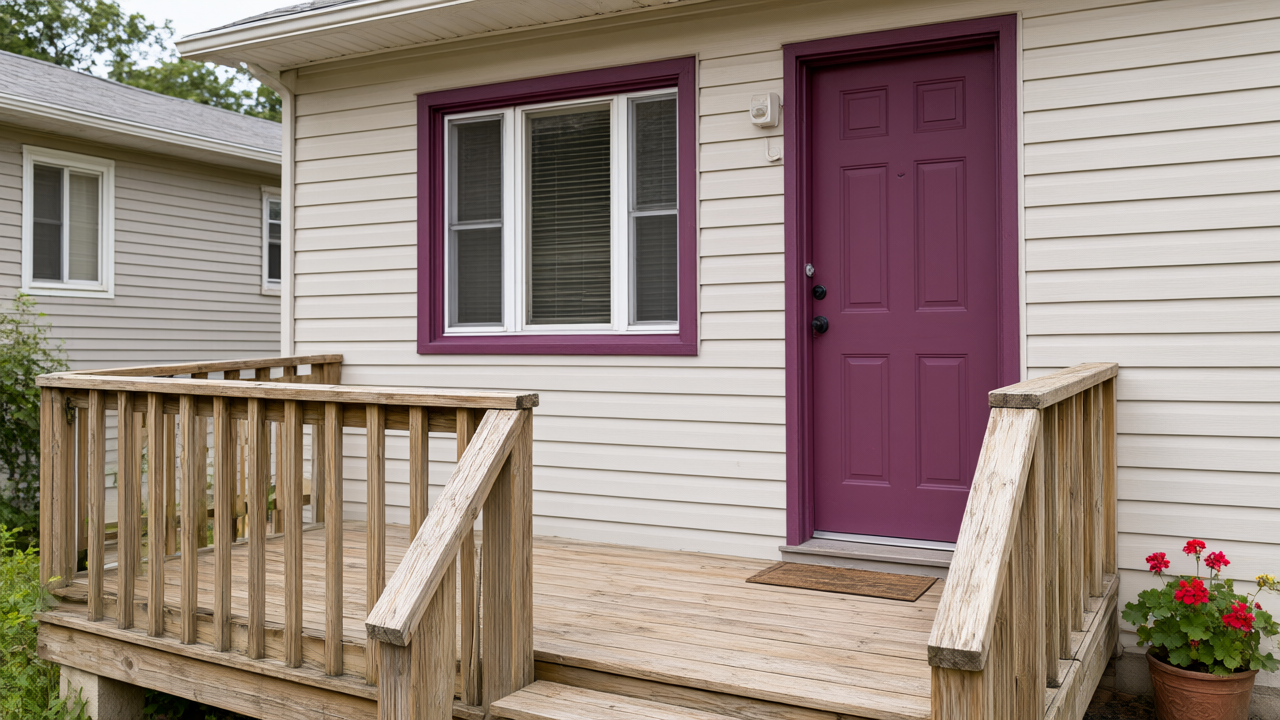
Lifestyle & Maintenance: Matching the Right Structure to Your Needs
Resale value is not everything. You have to live in this home before you sell it, and that means choosing a structure that fits how your family actually spends time outdoors. Consider the maintenance schedule first because it is the most common source of buyer's remorse.
A wood deck requires significant upkeep. In the Illinois climate, with its freeze thaw cycles and humid summers, a wood deck needs to be cleaned and sealed every 12 to 18 months. That is a weekend project twice a year, or roughly $300 to $500 per year if you hire it out. If you skip the maintenance, the wood grays, splinters, and eventually deteriorates at the joist connections. A wood deck that is neglected for five years will need repairs that cost 20-30% of the original build price.
Composite decks eliminate most of that. You will still want to power wash the surface once a year to remove pollen and mildew, but there is no sanding, staining, or sealing. The tradeoff is that composite boards can get hot in direct July sun, and they are not repairable if scratched or gouged. A wood deck can be sanded and refinished. A composite board with a deep scratch is a permanent blemish.
Porches sit in a middle zone. A screen porch requires annual inspection of the screening, which will eventually tear or pull loose from the frame. The roof structure should be checked for leaks where it ties into the main house. But because the structure is covered, it is protected from direct weather, so the paint or stain lasts years longer than on a deck. If you hate outdoor maintenance, a porch is the lower effort choice.
A Quick Checklist: What To Ask Yourself Before Booking a Site Visit
- How many bug free months do I actually want? If you want to sit outside in early May and late September without citronella candles, a screened porch is a lifestyle upgrade that no deck can match.
- Do I grill outdoors? Grills do not belong under a porch roof. Grease stains and fire risk make this a poor combination. If you are a serious griller, you need an open deck.
- What is my drainage situation? A porch roof dumps significant water runoff in one concentrated area. You need a solid plan for gutter routing or a rain chain, or you will end up with a washout in your yard.
- How long am I staying? If you plan to move within five years, build the cheapest wood deck that meets code. You will recoup the most money. If you are staying for ten years or more, the composite deck or porch becomes a lifestyle purchase where ROI matters less.
Making the Final Choice: Questions to Ask Yourself Before You Build
You have the cost data and the ROI data. Now you need to make a decision that balances your budget with your family's actual habits. Start by writing down how many hours per week you realistically spend in your backyard during the six month season from April to September. If the answer is less than five hours, a deck is the smarter financial move. Do not spend $50,000 on a porch you will use twice a month.
If you have young children, a deck with a secure railing system and a gate at the stairs is the practical choice. Kids want to run in the grass, and a deck at 18 inches high is a launch pad for the yard. If you are retired and want a quiet place to read in the evening, the screened porch is worth the premium because it offers protection from mosquitoes and afternoon sun.
There is also a hybrid option that many Cary homeowners overlook. You can build a wood or composite deck now and add a pergola over part of it for partial shade at a fraction of the cost of a full porch roof. Burns Carpentry builds custom pergolas that attach directly to the deck framing, giving you some sun protection without the expense of a permanent roof structure. This is a smart middle path if you want the open feel of a deck but find the afternoon sun on your patio furniture unbearable.
When you are ready to move forward, the permitting process in Cary is manageable but not optional. The village requires a building permit for any deck over 30 inches above grade, and all porches require a permit regardless of height. Burns Carpentry handles the permit application with the Cary municipal office as part of the project, which saves you the headache of navigating setback requirements and frost depth calculations on your own.
One final note on timing. If you are planning a project for next spring, the best time to book is September or October of this year. Contractors in McHenry County book their spring schedules in the winter, and the most experienced crews are committed by January. Calling in November to ask for a March build date often means waiting until June. If you book now, you lock in this year's pricing and get a prime spot on the build calendar.
Frequently Asked Questions
Do I need a building permit for a deck in Cary, IL?
Yes, Cary requires a permit for any deck that is more than 30 inches above grade. Burns Carpentry handles the entire permit application with the village office as part of their standard process, so you do not need to navigate the paperwork yourself.
How long does a deck building project take from start to finish in Cary?
A typical deck building project takes about three to five weeks from initial consultation to completion. The timeline includes a site visit, design discussion, material selection, and then the actual construction, which usually takes one to two weeks depending on weather and the complexity of the design.
Which adds more value to my home, a deck or a screened porch?
For most Cary homes on standard lots, a deck adds more value at resale. Decks typically recoup 63-68% of their cost, while screened porches recoup about 52%. The exception is homes with water views or large lots where a porch can be a unique selling point.
Is composite decking worth the extra cost over wood?
Composite decking costs about 40% more upfront than wood, but it eliminates the need to stain and seal every couple of years. If you plan to stay in your home for more than seven years, composite is usually the better value. If you are selling soon, wood gives you a better return on investment.
If you are ready to get serious about your outdoor project, talk to Burns Carpentry. Andy and his team have built decks and porches all over Cary and the surrounding suburbs. They will measure your yard, walk you through the cost difference between wood and composite, and give you a straight answer about which structure fits your budget and your lifestyle. Call them now to book a free estimate before the fall build schedule fills up.


