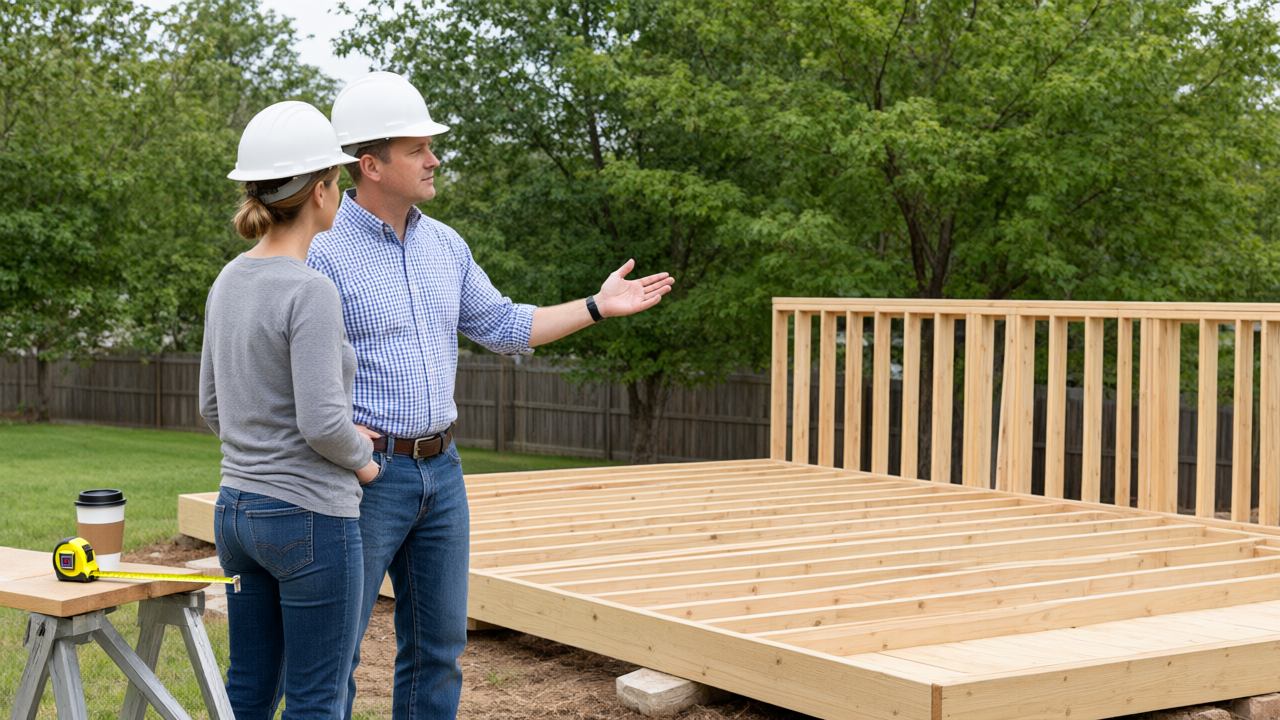
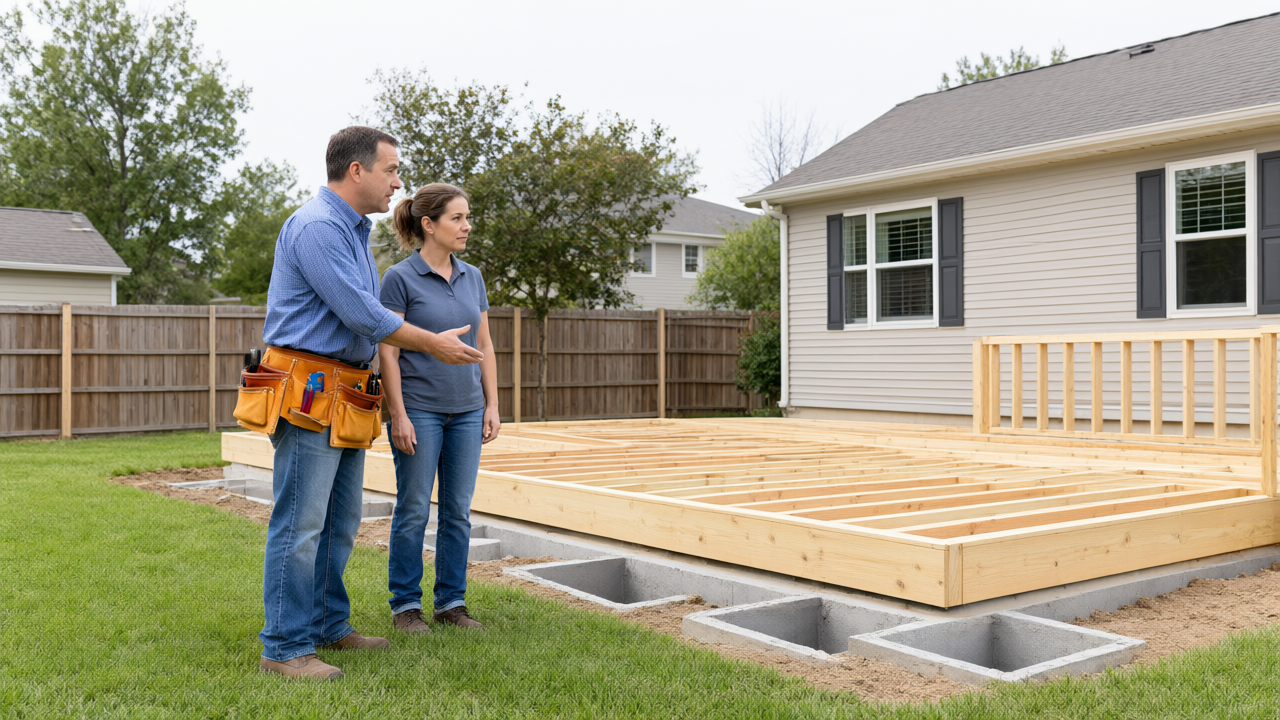
Choosing the wrong deck material for your Arlington Heights home isn't just an aesthetic mistake. It's a financial decision that can cost you thousands in premature repairs, or worse, a complete rebuild in as little as 8 to 10 years. The right material, matched to our specific Illinois climate and your lifestyle, can last 25 years or more with predictable maintenance. This guide breaks down the 2026 cost and durability realities for every major decking option, so you can invest in an outdoor space that actually grows in value, not headaches.
Why Your Deck Material Choice Matters in Arlington Heights' Climate
Arlington Heights weather isn't just cold in winter and hot in summer. It's a specific, punishing cycle that tests decking materials in unique ways. From October through April, your deck endures freeze-thaw cycles that can number over 50 in a single season. Moisture from snowmelt seeps into wood grain, freezes, expands, and creates micro-fractures. Then, from May to September, we face intense UV exposure and humidity that can warp boards and fade colors rapidly.
This isn't theoretical. We've seen pressure-treated pine decks installed just 6 years ago with boards so cupped and split they're a tripping hazard, while a properly maintained cedar deck from the same era looks nearly new. The difference is almost always in the material selection and the understanding of its maintenance needs. A deck is a major investment, typically ranging from $15,000 to $40,000+ for a standard 16x20 foot structure in our area, depending on materials, design complexity, and site conditions. Protecting that investment starts with choosing a material engineered to handle our local stressors.
Beyond the weather, local building codes in Arlington Heights and surrounding Cook County towns have specific requirements for footings (they must extend below the frost line, which is 42 inches deep), railings, and structural connections. A material that requires unique fastening systems or has specific load ratings must be installed with these codes in mind. This is where working with a professional like Burns Carpentry, who handles permits and inspections as a standard part of their deck building process, saves you from costly corrections down the line.

Pressure-Treated Pine: The Budget-Friendly Workhorse for Arlington Heights
For decades, pressure-treated Southern Yellow Pine has been the default choice for a reason. In 2026, it remains the most cost effective structural material, with decking board costs averaging $3 to $6 per square foot for materials alone in the Chicagoland area. The new generation of treatments (like MCQ or micronized copper) are more environmentally friendly and less corrosive to fasteners than the old arsenic-based formulas.
But here's the trade-off you must understand: that low upfront cost comes with a mandatory maintenance schedule. A new pressure-treated deck in Arlington Heights must dry for at least 60 to 90 days after installation. Then, it requires a high quality, oil-based penetrating stain or sealant. You'll need to reapply that stain every 2 to 3 years to prevent moisture intrusion, graying, and checking. If you skip this, the wood will absorb water, swell in summer, contract in winter, and quickly become brittle and splintered.
For a hands on homeowner who doesn't mind dedicating a weekend every other year to maintenance, it's a fantastic value. The wood is easy to cut and work with, allowing for complex designs without premium material waste. However, if your idea of summer is using the deck, not working on it, this material will become a burden. The single biggest mistake we see is homeowners treating pressure-treated pine like a "set it and forget it" product. It's not. It's a relationship.
Composite Decking: Low-Maintenance Luxury for Arlington Heights Yards
Composite decking, made from a blend of wood fibers and plastic, has evolved dramatically. The early 2000s products that faded, stained, and grew mold are gone. Today's high quality composites from brands like TimberTech, Trex, and Fiberon come with 25 to 50 year fade and stain warranties. The appeal is obvious: no annual staining, no splinters, and resistance to rot and insect damage. Material costs have come down but remain significant, typically $10 to $15 per square foot for the boards.
The real cost conversation, however, is about total cost of ownership. While the initial outlay for a composite deck can be double that of pressure-treated pine, you eliminate the recurring cost and labor of sealants, stains, and replacement boards. Over a 20 year period, many homeowners find the total spent evens out or even favors composite. For a busy professional in Naperville or Schaumburg who values weekend relaxation over weekend projects, this math makes sense.
There are Arlington Heights specific considerations. Darker composite colors can get very hot under direct summer sun, sometimes reaching temperatures 30 to 40 degrees above ambient air. Lighter colors or products with heat-diffusing technology are worth the premium. Also, while composites don't rot, they can still develop mildew or algae in our humid summers, especially in shaded areas. A yearly cleaning with a composite-safe cleaner is recommended. Structurally, composites are heavier than wood and often require closer joist spacing (12 inches on center instead of 16), which impacts the framing material and labor cost.

Cedar & Redwood: Natural Beauty with Specific Arlington Heights Considerations
Cedar and redwood offer a middle path: the warm, natural beauty of wood with better inherent resistance to decay and insects than pine. These softwoods contain natural tannins and oils that act as preservatives. A clear, all-heartwood redwood or cedar deck has a timeless look and a pleasant aroma. Material costs sit between pine and composite, around $7 to $12 per square foot.
The critical word is "all-heartwood." The sapwood of these trees is not decay-resistant. When you're getting quotes, you must specify and verify you're receiving premium grade, heartwood-only material. The cheaper "construction grade" mix of heartwood and sapwood will fail quickly. Even with premium stock, these woods are not maintenance-free. To maintain their rich color, they need a UV-blocking transparent or semi-transparent stain applied within a few months of installation and refreshed every 2 to 4 years. If you let them weather naturally, they will turn a silvery gray, which many people enjoy, but you must still apply a water-repellent preservative every few years to prevent cracking.
In the dry, indoor-heated winters of an Illinois home, cedar and redwood can shrink significantly across their width. This can lead to noticeable gaps between boards in winter that close up in summer humidity. A skilled installer from Burns Carpentry will account for this by installing the boards as tightly as possible during the drier season (like fall) to minimize the winter gap effect. It's a detail that separates a good wood deck from a great one.
How to Choose the Right Material for Your Arlington Heights Lifestyle & Budget
Forget the magazine photos. Start with three questions: How do you actually live, what's your real budget including future upkeep, and how long do you plan to stay in your home? A young family in Elgin that needs a safe play space and plans to move in 5-7 years has different needs than empty-nesters in Palatine creating a forever-home retreat.
Use this simple framework to narrow your choice:
- Define Your "No-Compromise" Need. Is it absolute minimum upfront cost? Then pressure-treated pine is your candidate. Is it absolute minimum long term maintenance? Then high-end composite is your frontrunner. Is it authentic natural warmth above all else? Then cedar or redwood deserves a close look.
- Run the 15-Year Total Cost. For each material you're considering, add: Material & Installation Cost + (Cost of Annual Cleaning x 15) + (Cost of Re-staining/Resealing Every N Years x Number of Times in 15 Years). For composite, the maintenance line is low. For pine, it's high. This exercise reveals the true financial picture.
- Get Physical Samples. Any reputable supplier or contractor like Burns Carpentry will give you large samples. Take them home. Get them wet. Leave them in the sun. Walk on them in socks and bare feet. See how hot they get. This tactile test is more valuable than any brochure.
- Ask Your Contractor These Exact Questions: "For this material, what is the exact joist spacing and fastener system you'll use?" "Can you show me a local project that's 5+ years old using this material?" "What does your workmanship warranty specifically cover regarding board shrinkage, fastener pop-up, or railing stability?"
When don't you need a full professional build? If you're replacing a few rotten boards on an existing, structurally sound pressure-treated deck, that's a DIY job. If you're building a simple, ground-level platform under 30 inches high that doesn't require a permit, a skilled DIYer can tackle it. But for any elevated deck, any complex multi-level design, or any project involving structural connections to your house, the risk of improper ledger board attachment alone (the #1 cause of deck collapses) makes professional deck building non negotiable.
Frequently Asked Questions
How much does a new deck cost in Arlington Heights for 2026?
For a standard 300 square foot (16x20) deck, expect to invest between $15,000 and $25,000 for pressure-treated pine, $20,000 to $35,000 for cedar, and $30,000 to $45,000+ for composite. The final price depends heavily on design complexity, railings, stairs, and site accessibility. Always get a detailed, line-item estimate.
Is composite decking worth the higher cost?
For most homeowners in the Arlington Heights area who plan to stay in their home more than 10 years and value their time, yes. The elimination of bi-annual staining and the avoidance of splinters, rot, and insect damage often justifies the premium. It turns a maintenance item into pure leisure space.
What should I look for when choosing a deck builder?
Look for a licensed and insured contractor who provides a detailed written contract, handles permits, and offers a clear workmanship warranty (Burns Carpentry, for example, offers a two-year guarantee). Ask for references and photos of completed local projects. Avoid anyone who asks for a large deposit upfront or pressures you to skip permits.
How long does it take to build a deck?
From signed contract to final inspection, plan on 4 to 8 weeks for a typical deck in the Arlington Heights area. This includes time for design finalization, permit acquisition (1-3 weeks), material delivery, construction (1-2 weeks), and final inspections. Weather can impact the construction phase.
If you're in Arlington Heights or the surrounding suburbs and the process of selecting materials and navigating permits feels overwhelming, that's where a professional makes all the difference. Burns Carpentry specializes in building decks designed for the Illinois climate. They offer free estimates and will walk you through the pros, cons, and real costs of each material for your specific home and lifestyle. It's the smart first step to ensure your investment lasts for decades.