
Walk into any flooring showroom in McHenry County and you'll hear the same pitch: vinyl plank is waterproof, it's cheap, and it looks just like hardwood. What that pitch leaves out is that Vinyl Flooring in Cary, IL fails in specific rooms at a rate most installers won't talk about. Not because the product is bad, but because Cary's climate and housing stock punish it in ways a showroom sample never will. Here are five spaces where Burns Carpentry regularly talks homeowners out of vinyl, and what to install instead.
Why Cary's Freeze-Thaw Cycles and Humidity Make Some Rooms a Bad Fit for Vinyl
Cary sits in McHenry County, which means winter temperatures that routinely drop to minus 10 to minus 20 degrees Fahrenheit for stretches in January and February, followed by 40 degree thaw days in the same week. That swing does something specific to a house: it moves the foundation, the rim joists, and the subfloor. A slab-on-grade floor in a Cary ranch built in the 1970s can shift a quarter inch between January and April. Vinyl plank, especially the rigid core products, doesn't forgive that movement as gracefully as people assume.
Then there's summer. Cary averages 35 to 40 inches of rain annually, and July humidity levels hover in the 70 to 80 percent range for weeks. Vinyl is waterproof on its surface, but that's the wrong thing to focus on. The real vulnerability is at the seams and perimeter. Luxury vinyl plank (LVP) floats over the subfloor, and when indoor humidity climbs past 65 percent, the planks expand. When it drops in October, they contract. Installers who skip the manufacturer's expansion gap at the walls, or who lay plank tight against a door jamb, get buckling by the following spring. We've pulled up two year old vinyl in Cary homes where the seams had opened wide enough to catch a fingernail.
The product isn't the problem. The room and the subfloor underneath it are.
There's also a temperature ceiling most homeowners never hear about. Most LVP manufacturers rate their product for installations where the floor temperature stays between 65 and 85 degrees. Go outside that range and the wear layer can delaminate and the planks can gap. That single spec eliminates several rooms in a typical Cary home before you ever pick a color.
5 Cary, IL Spaces Where Vinyl Flooring Fails (Sunrooms, 3-Season Porches, and More)
These aren't hypotheticals. These are the five rooms where Burns Carpentry sees vinyl fail first and fail hardest in Cary and the surrounding towns like Palatine and Arlington Heights.
1. Sunrooms and Four-Season Rooms
A sunroom that gets direct southern exposure through glass can hit 110 to 120 degrees on an August afternoon and drop to 40 degrees on a January night if it isn't on the main HVAC loop. Vinyl can't handle that range. It cups at the edges, the adhesive (if it's glue-down) releases, and the color fades unevenly in the sun-struck zone. Tile, engineered hardwood rated for radiant heat, or a porcelain plank that mimics wood is the right call here.
2. Three-Season Porches and Screened Rooms
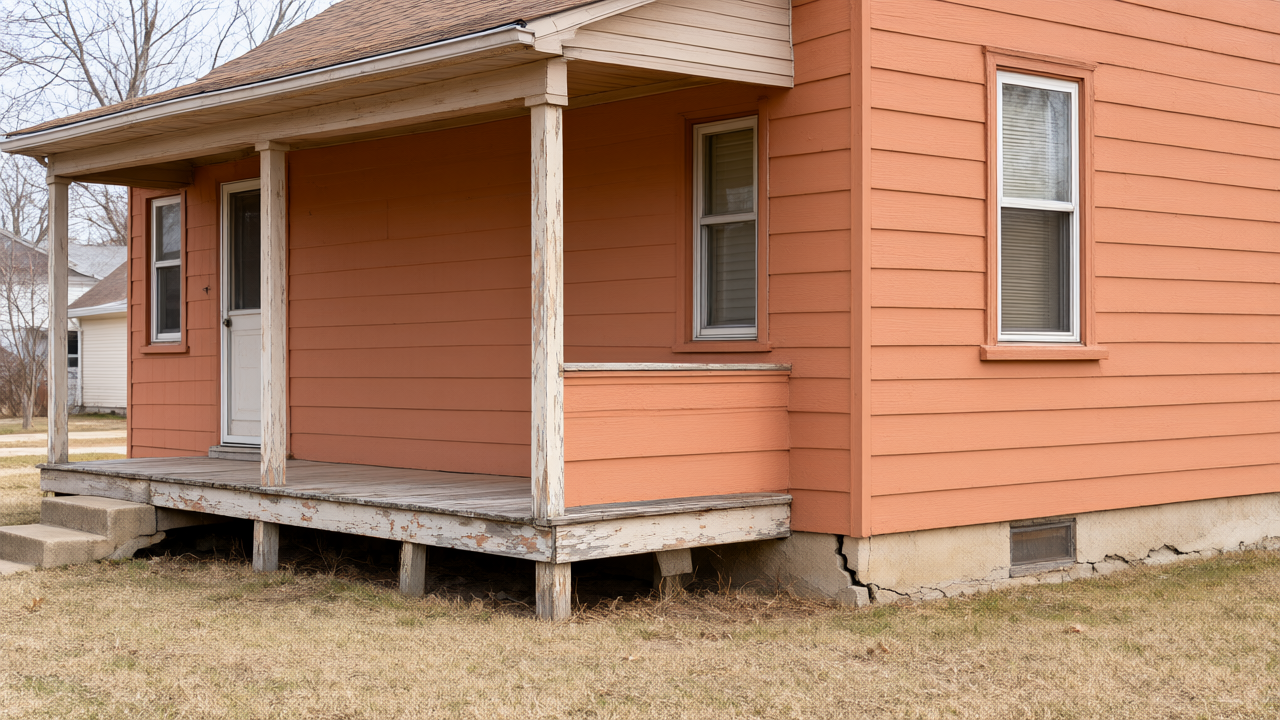
These spaces in Cary are unheated by design. From November through March, a three-season porch floor can sit below freezing for weeks. Vinyl gets brittle at those temperatures. Step on a cold plank in February and you can crack the wear layer. If you want a wood look on a porch, look at composite decking or a porcelain paver instead. Burns Carpentry builds Composite Decks and porch flooring specifically because these materials survive the freeze-thaw cycle that destroys vinyl.
3. Basements With Any Moisture History
This is the big one. Cary has pockets of clay-heavy soil, and a finished basement here almost always needs a moisture plan before a floor goes down. Vinyl is marketed as basement friendly, and it can be, but only if the slab is dry. We test with a calcium chloride kit or a concrete moisture meter. If the slab reads above 5 pounds per 1,000 square feet in 24 hours (the standard threshold for most LVP warranties), vinyl is the wrong product. The planks will trap moisture against the slab, and within a year you'll have mildew under the floor and a smell you can't get rid of. Burns Carpentry handles Basement Finishing in Cary with a moisture assessment first, then recommends flooring that matches the actual conditions.
4. Bathrooms With No Exhaust Fan or a Shower That Runs Long
Vinyl is fine in a powder room. It's a gamble in a full bath with a teenager who takes 20 minute showers and no working exhaust fan. Standing water at the toilet base and along the tub edge seeps into the seams. Vinyl plank is water resistant, not water proof at the joints. Sheet vinyl with a heat welded seam is a better bathroom choice, or porcelain tile if the budget allows.
5. Laundry Rooms and Utility Rooms Over Crawl Spaces
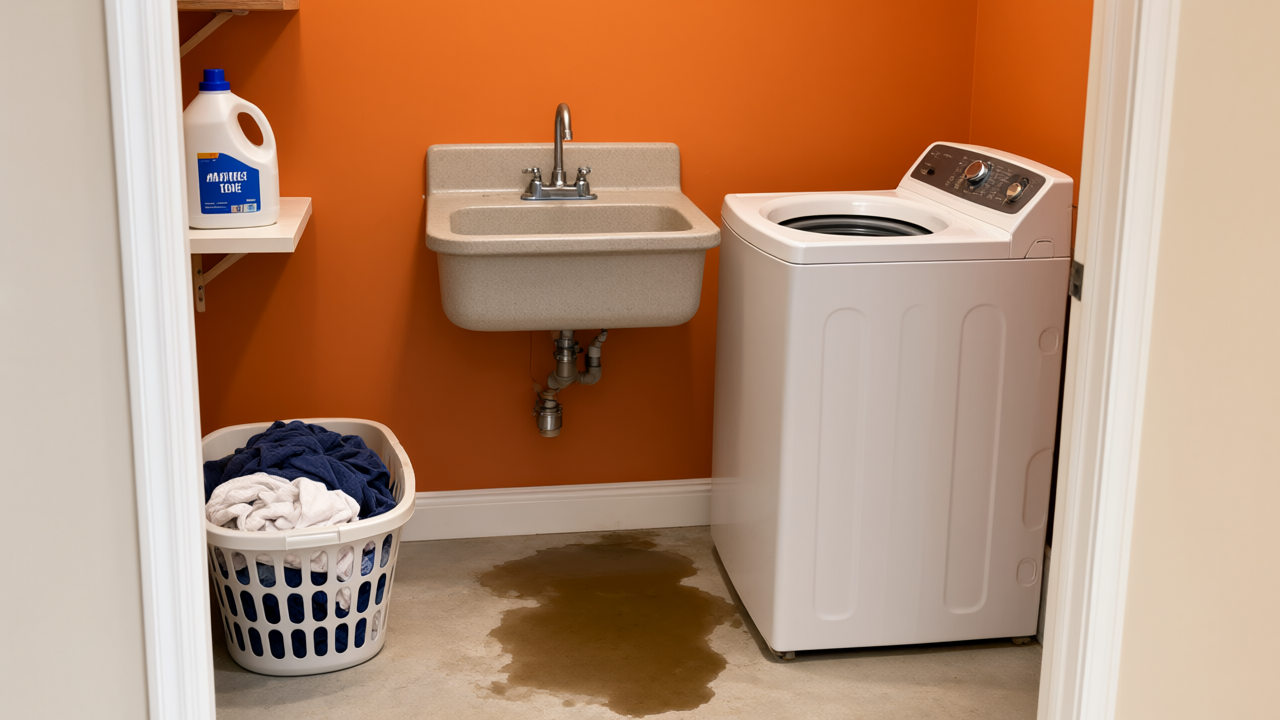
A Cary laundry room over a vented crawl space sees big humidity swings, and a washer that leaks once a year is a near certainty. Vinyl over a cold, damp crawl space feels icy underfoot all winter and the planks move with the seasonal moisture. A luxury vinyl tile with a waterproof core does better than standard plank here, but honestly, a sheet vinyl or a tile is the smarter long game.
Subfloor Conditions That Rule Out Vinyl: What Cary Homeowners Should Check First
Before you buy a single box of plank, run this check. It takes about 30 minutes and it will save you a $3,000 to $6,000 mistake.
- Flatness. Most LVP manufacturers require the subfloor to be flat within 1/8 inch over a 6 foot span and 3/16 inch over 10 feet. Cary's older homes, especially slab-on-grade ranches from the 1960s and 70s, rarely meet that out of the box. A self-leveling compound pour to fix it adds $1.50 to $3 per square foot.
- Moisture. Test the slab or the crawl space. A concrete moisture meter reading above 4.5 percent, or a calcium chloride test above 5 pounds, means you need a vapor barrier or a different floor.
- Temperature. Any room that drops below 60 degrees for more than a few days a year is a no. That includes unheated additions, screened porches, and garages.
- Sun exposure. A west or south facing room with full glass and no blinds will fade vinyl in two to three years. No warranty covers sun fade.
- Existing floor layers. Vinyl over vinyl over particleboard is a recipe for a spongy, gapping mess. We've torn out three layer stacks in Cary homes. Strip to the subfloor.
If you check those five boxes and everything passes, vinyl plank is a genuinely great floor. It's affordable, it's easy to clean, and a quality install runs $4 to $8 per square foot installed in the Cary area. But if even one box fails, you're buying a floor you'll replace in three years.
When to Choose Laminate or Another Material Instead: A Cary Room-by-Room Guide
Here's the honest breakdown we give homeowners during estimates. This is the same advice whether you hire Burns Carpentry or do it yourself.
- Living room, dining room, hallway: Vinyl plank is a solid choice if the subfloor is flat and dry. Laminate Flooring is the alternative if you want a harder, more scratch resistant surface and the room stays between 60 and 85 degrees year round.
- Kitchen: Vinyl plank works. Laminate works if you wipe up spills quickly. Tile is the most durable, but it's harder on your back and knees if you cook for hours.
- Full bathroom: Sheet vinyl with a welded seam, or porcelain tile. Skip the floating plank.
- Basement: Test first. If the slab is dry, LVP with a waterproof core over a vapor barrier is fine. If it's damp, fix the moisture first, then decide. Burns Carpentry handles Basement Remodeling in Cary with moisture control built into the plan, not bolted on afterward.
- Sunroom or three-season porch: Tile, porcelain plank, or composite decking. Not vinyl.
- Laundry and utility: Sheet vinyl or tile.
One thing to know: laminate has its own limits. It swells when it gets wet, so it's a worse choice than vinyl in a bathroom or laundry room. The decision isn't vinyl versus laminate. It's matching the material to the room's actual moisture and temperature profile.
What to Do If You Already Have Vinyl in a Problem Room: Cary Repair & Transition Options
You're not stuck. We fix this all the time.
If the vinyl is buckling at the seams, sometimes the fix is simple: pull the baseboards, trim the plank back to give it the expansion gap it should have had, and reset. That's a $300 to $800 repair in a typical room and it buys you a few more years.
If the planks are cupping or the wear layer is separating, the floor is done. The good news is that a transition is cheaper than a full replacement. We'll pull the vinyl in the failing room only, install a compatible tile or engineered product, and build a transition strip at the doorway so the two floors meet cleanly. In a Cary home we did last spring, a homeowner had vinyl in a sunroom and laminate through the rest of the main level. We replaced just the sunroom with porcelain plank for about $2,200, matched the transition at the doorway, and the rest of the floor stayed put.
If you're not sure whether a repair or a replacement makes sense, call Burns Carpentry. A carpenter will walk the floor with you, test the moisture, and tell you straight whether it's a $400 fix or a full tear out. Andy Burns and the crew have been doing Flooring Installation and Deck Building in Cary long enough to know which rooms in this town fight back. Free estimates, and they'll tell you when the answer is "don't hire anyone yet."
Frequently Asked Questions
Is vinyl flooring good for basements in Cary, IL?
It can be, but only if the slab tests dry. Cary's clay soil and high water table mean many basements need a moisture test before any floor goes down. If the slab reads above 5 pounds per 1,000 square feet on a calcium chloride test, vinyl will trap moisture and you'll get mildew. Fix the moisture first.
How much does vinyl flooring installation cost in Cary?
Expect $4 to $8 per square foot installed for mid-grade luxury vinyl plank in the Cary area, including materials, underlayment, and labor. Add $1.50 to $3 per square foot if the subfloor needs leveling. A 300 square foot room typically lands between $1,500 and $2,800.
Can vinyl flooring go in a sunroom or three-season porch?
No, and this is the mistake we see most. Sunrooms in Cary swing between 110 degrees in August and 40 degrees in January. Vinyl isn't rated for that range and will cup, fade, and delaminate within two years. Use porcelain plank, tile, or composite decking instead.
What should I look for when choosing a flooring installer in Cary?
Ask three questions: Do you test the subfloor for moisture and flatness before quoting? Do you leave an expansion gap at every wall and door jamb? And what's your workmanship warranty? Burns Carpentry backs workmanship for two years and handles the moisture test as part of the estimate, not as an upsell after you've signed.
If you're in Cary or anywhere in McHenry County and you're not sure whether vinyl is the right floor for a specific room, get a second opinion before you buy the boxes. Burns Carpentry gives free estimates on flooring installation and will tell you honestly when a room calls for tile, laminate, or something else entirely. Call them, walk the space, and get the real answer.