
Chicago bungalows are a specific breed of house, and treating them like any other old home is how homeowners end up with a porch that sags again in five years or an attic conversion that fails inspection. Built mostly between 1910 and 1940, these brick one-and-a-half-story homes line entire blocks of the Northwest and Southwest Sides, and roughly 80,000 of them still stand across the city, according to preservation surveys. That's a huge number of homes with the same quirks: low-pitch roofs, full-width front porches, wide overhangs, and attics that look usable but usually aren't without serious structural and carpentry work. The upgrades that actually add value in 2026 are the ones that respect those quirks instead of fighting them.
Why Chicago Bungalows Need Specialized Carpentry
Bungalows were designed for a specific climate and a specific era of construction. The roof pitch is shallow, often under 4/12, which means water moves slowly toward the eaves and any carpentry mistake at the fascia or flashing shows up as rot within a couple of seasons. The masonry is usually solid brick with no cavity wall, so anything you attach to the exterior has to account for the fact that there's no sheathing to anchor into the way there is on a frame house. The front porch is almost always a separate structure from the main house, sitting on its own footings, and those footings have been settling since the Coolidge administration.
Then you have the attic. The bungalow attic is a half story with knee walls, sloped rafters, and often no structural floor, just joists spaced for ceiling load. Homeowners see that space and imagine a primary suite. Carpenters see a 2x6 joist spanning 14 feet with a deflection rating that won't support a bed, let alone a bathroom. Getting that space converted means sistering joists, adding a proper stair, and meeting modern egress and insulation requirements, all inside a roof geometry that gives you about 42 inches of headroom at the side walls.
None of this is a reason to avoid upgrades. It's a reason to hire someone who has done this work on this housing stock. A carpenter who mostly builds in Cary or Arlington Heights subdivisions will know framing and trim cold, but a Chicago bungalow has its own rulebook, and the good crews know it by heart.

5 Value-Boosting Upgrades That Actually Pay Off
1. Front Porch Repair and Rebuild
The front porch is the bungalow's defining feature and its most common failure point. Most of these porches have wood framing under concrete or tile, and after 80-plus years of freeze-thaw cycles, that framing is often soft. A full porch rebuild with new pressure-treated framing, composite decking, and matching brick piers typically runs $18,000 to $45,000 in the Chicago market, depending on size and whether the brick piers need rebuilding. It sounds steep until you price a porch collapse, which is a structural repair plus a lawsuit plus an insurance headache.
Porch repair also delivers one of the strongest curb appeal returns in the bungalow belt. Buyers in neighborhoods like Portage Park, Berwyn, and Chatham read the porch as a signal for how the rest of the house was maintained. A straight, solid, freshly finished porch says the owner cared. A sagging one says the opposite, no matter how nice the kitchen is.
2. Attic Conversion Done Right
A finished attic adds usable square footage without changing the footprint, which matters in Chicago where lot coverage and zoning are tight. A proper conversion with new structural framing, a real staircase, insulation to current code, and a full bath runs $60,000 to $110,000 depending on finishes. It's the most expensive upgrade on this list, and it's also the one most likely to be done badly by a crew that doesn't understand bungalow framing.
The work has to start with an engineer's assessment of the joists, not with drywall. If a contractor hands you a bid for an attic conversion without mentioning deflection, egress windows, or stair headroom, get another bid. Done correctly, an attic primary suite can add 300 to 500 square feet of conditioned space and push a bungalow into a different price tier entirely.
3. Built-In Storage and Millwork
Bungalows are charming and short on closets. That combination is why so many of them get cluttered and why built-ins are such a smart upgrade. A custom mudroom bench and cubby system at the back entry, built-in bookcases flanking the living room fireplace, or a window seat with storage under it typically runs $3,500 to $12,000 per installation. The resale return is modest on paper, but the livability return is enormous, and built-ins photograph beautifully for listings.
The carpentry detail that matters here is matching the existing trim profile. Original bungalow trim is usually 1920s-era oak or gumwood with a specific profile that's no longer stocked. A good carpenter will either match it with a custom knife or source salvaged material from a Chicago architectural salvage yard. A great one will do that without being asked.
4. Deck Addition or Rebuild
Most bungalows have a back door that opens to a concrete pad or nothing at all. A proper deck expands the living space and, in Chicago, extends the usable outdoor season from about four months to six. A 16x20 composite deck with railings and stairs typically runs $22,000 to $38,000 installed. Wood Decks come in lower, around $15,000 to $28,000, but require annual maintenance that most homeowners underestimate.
Composite decking has become the default choice in the Chicago area for a reason: the freeze-thaw cycle destroys wood decks faster here than in milder climates. Burns Carpentry builds both wood and Composite Decks and will tell you straight up which makes sense for your yard, your budget, and how much maintenance you actually want to do. If you're handy and don't mind staining every other year, a wood deck is a fine choice. If you want to spend your weekends doing anything else, composite is worth the upcharge.
5. Basement Finishing
A finished basement is the highest-return upgrade on this list in most Chicago neighborhoods, simply because the square footage is already there and the demand for home office and family space keeps climbing. A full finish with a bathroom, bedroom, and living area runs $45,000 to $85,000 in the city. The catch is moisture. Chicago basements are damp, and finishing one without addressing water intrusion first is throwing money into a hole.
The right sequence is waterproofing and drainage first, then framing, then everything else. Burns Carpentry handles basement finishing and remodeling with moisture control built into the process, which is the only way it works in this climate. Skip the waterproofing step and you'll be ripping out drywall within three years.
Cost vs. Resale Value: What Chicago Homeowners Can Expect to Recoup in 2026
Resale math in Chicago is neighborhood-specific, but the broad ranges are useful for planning. Porch repair and rebuild tends to recoup 65 to 75 percent of cost at resale, driven mostly by curb appeal. Attic conversions recoup 60 to 70 percent when done to code with a full bath. Built-ins recoup less on paper, maybe 40 to 55 percent, but they help homes sell faster. Decks recoup 60 to 70 percent. Basement finishing recoups 70 to 80 percent in most Chicago neighborhoods, higher in areas where buyers are actively looking for extra bedrooms.
Two factors push these numbers around. First, permit history. A finished attic or basement without permits is a liability, not an asset, and buyers' agents will flag it. Second, quality of finish. A basement finished with builder-grade materials recoups less than one with real carpentry detail. The Chicago market rewards homes that feel solid and original, not homes that feel flipped.
Hiring a Carpentry Pro in Chicago: Licensing, Permits, and Neighborhood-Specific Rules
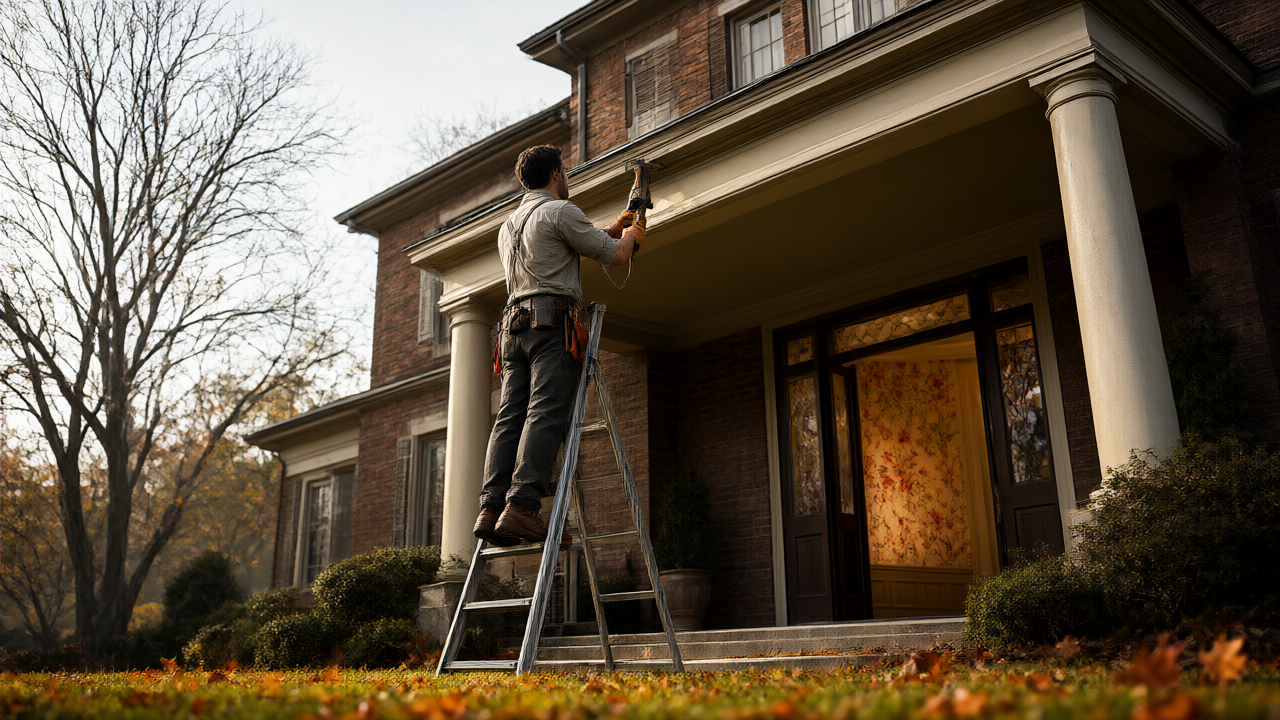
Chicago requires a city contractor license for most residential work, and the permit process runs through the Department of Buildings. Decks, porch rebuilds, attic conversions, and basement finishes all need permits in most cases. A carpenter who suggests skipping the permit to save time is telling you something important about how they work. Walk away.
Neighborhood rules vary more than people expect. Landmark districts have design review requirements that affect exterior work, including porch railings and deck materials. Some wards have specific setback and lot coverage rules that affect deck size. A contractor who works regularly in the city will know which neighborhoods have which hoops, and will handle the permit application as part of the job.
Here's the checklist to run through before you sign anything:
- Ask for the license number and verify it with the city, not just the contractor's word.
- Ask for a certificate of insurance showing both general liability and workers' comp, and call the insurer to confirm it's current.
- Ask how many bungalows they've worked on in the last two years. Vague answers are a red flag.
- Ask who pulls the permit and who handles inspections. It should be the contractor, not you.
- Ask for a written scope that lists materials, dimensions, and finish details. Bids that say "porch rebuild" with no specs are worthless.
- Ask about warranty on both workmanship and materials, in writing.
One honest note: not every bungalow project needs a professional. Replacing a porch railing, installing a pre-hung door, or building simple shelving is well within reach for a handy homeowner. The line is structural work, anything requiring a permit, and anything that touches the building envelope. Cross that line and the cost of fixing a mistake is higher than the cost of hiring it done right.
Before and After: How These Upgrades Transform Chicago Bungalows
The transformation is usually less about square footage and more about how the house reads from the street and how it lives inside. A bungalow with a rebuilt porch, a straight fascia line, and fresh trim looks like a different house. A bungalow with a finished attic gains a primary suite that lets a family stay in the home through a second kid instead of moving to the suburbs. A bungalow with a finished basement gains an office, a guest room, and a laundry that isn't in a corner of the kitchen.
The through line is carpentry quality. Bungalows are honest houses. They show their bones. Bad work shows, and good work shows too, in the way a stair feels underfoot, the way a door closes, the way trim lines up at a corner. The upgrades that add value in 2026 are the ones done with that in mind.
If you're in Chicago or the surrounding suburbs and you're weighing a porch rebuild, an attic conversion, a deck, or a basement finish, Burns Carpentry does exactly this kind of work on exactly this kind of house. Andy Burns and his crew know bungalow framing, Chicago permitting, and the difference between a job that looks good in photos and one that holds up through ten more winters. Call for a free estimate and they'll tell you straight whether your project is worth doing, and what it should cost.
Frequently Asked Questions
How much does it cost to finish a basement in Chicago in 2026?
Most Chicago basement finishing projects run between $45,000 and $85,000, depending on whether you're adding a bathroom, a bedroom, and how much moisture remediation is needed first. Waterproofing can add $8,000 to $20,000 on top of that if the basement has active water issues.
Do I need a permit to rebuild my Chicago bungalow porch?
Yes. A porch rebuild or structural repair requires a permit through the Chicago Department of Buildings, and landmark districts add design review on top of that. A reputable carpenter will pull the permit and handle inspections as part of the job.
Is an attic conversion worth it on a Chicago bungalow?
It can be, if the framing supports it and the conversion is done to code with proper egress and a real staircase. Done right, it adds 300 to 500 square feet of living space and recoups 60 to 70 percent of cost at resale. Done without structural work, it's a liability.
Wood or composite deck for a Chicago home?
Composite costs more upfront, roughly $22,000 to $38,000 for a 16x20 deck versus $15,000 to $28,000 for wood, but it holds up better to Chicago's freeze-thaw cycles and needs no annual staining. If you want low maintenance, composite is the better long term value.


