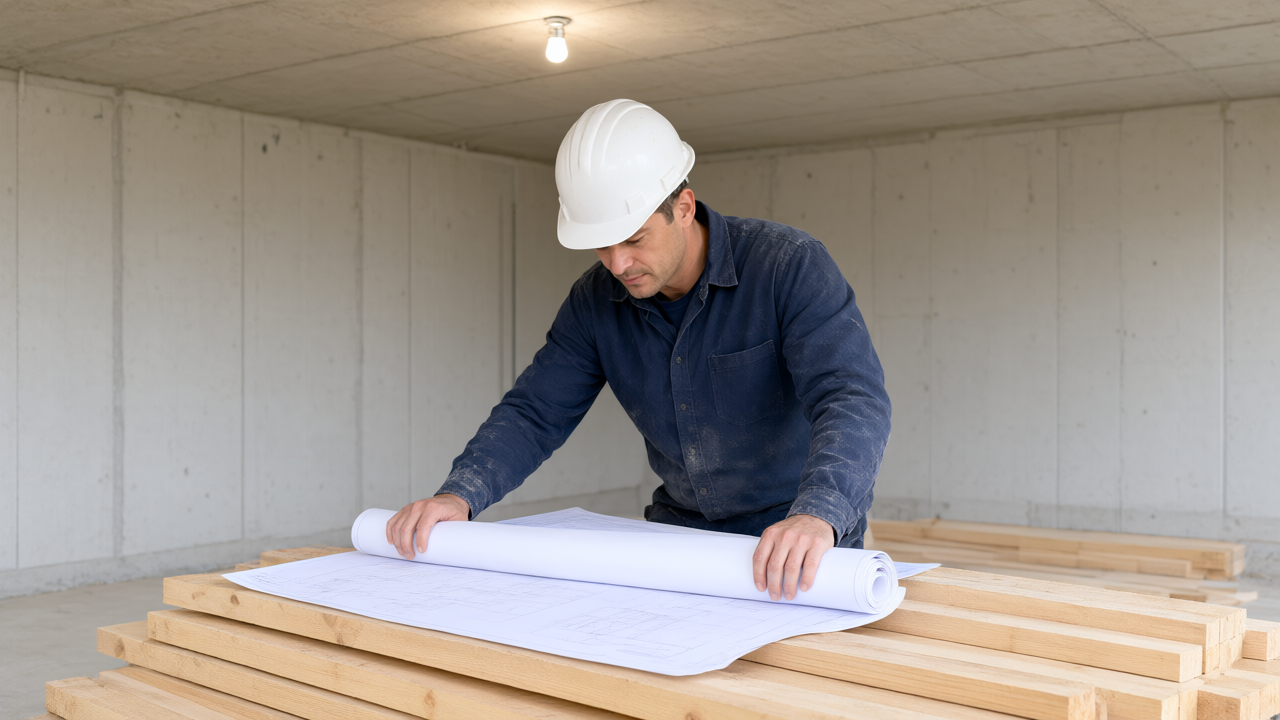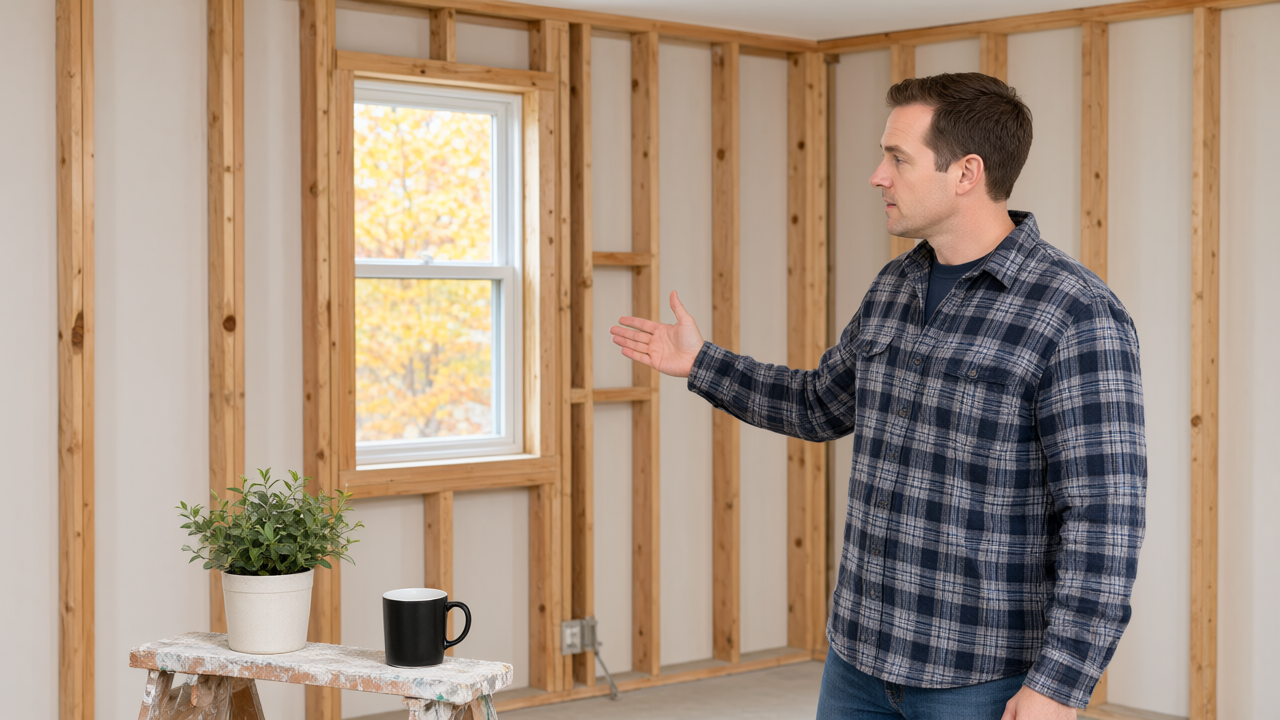
Most Cary homeowners who call Burns Carpentry about Basement Remodeling in September are thinking about football season, not construction schedules. That's backwards. The homeowners who get their basements finished before the holidays are the ones who booked in late summer and early fall, because basement remodeling in Cary, IL follows a seasonal rhythm that has nothing to do with when you actually want to use the space. Get the timing wrong and you're looking at a start date pushed into January, when crews are juggling indoor flooring installations and the humidity in your below grade space is doing things you can't see yet.
Why Timing Your Cary, IL Basement Remodel Matters in 2026
Here's the counterintuitive part: the busiest months for basement work in McHenry County are January through March, which is exactly when you should be finishing, not starting. Contractors get slammed after the holidays because everyone spent December staring at an unfinished basement and finally called someone. By then you're in a queue, material lead times stretch, and your project bleeds into spring when the crew is pivoting to Deck Building.
Timing also affects cost. Basement remodeling in the Cary area typically runs $45 to $95 per square foot for a full finish, which puts a 700 square foot basement somewhere between $31,500 and $66,500 depending on whether you're adding a bathroom, a wet bar, or egress windows. That price doesn't swing wildly by season, but availability does. A contractor with a light schedule in October may have more flexibility on labor allocation than one booked solid in February.
There's a permitting angle too. Burns Carpentry handles the permit applications with Cary municipal offices for basement remodels, and municipal review timelines are shorter in the shoulder seasons. Late fall and early winter, building departments are less buried than they are in June when everyone is pulling deck and addition permits. A permit that takes three weeks in October can take five or six in May.
The practical takeaway: if you want a finished basement you can actually use by Super Bowl Sunday, you need to be signing a contract by early October, not Thanksgiving.

Best Seasons to Start a Basement Remodel in Cary, IL
September through early November is the sweet spot, and it's not close. The ground is still workable for any exterior excavation (egress window wells, grading, drainage corrections), the humidity has dropped from summer peaks, and crews haven't yet shifted fully into indoor winter mode. You get the best of both worlds: exterior work is still feasible, and interior framing and drywall aren't fighting 80 percent relative humidity.
Winter starts, meaning December through February, work fine for interior only projects. If your basement needs no exterior excavation and no egress window work, a January start is perfectly reasonable. The catch is that moisture management becomes more demanding. Cary sits in a climate where basement relative humidity can sit at 55 to 70 percent even in winter if the space isn't conditioned, and drywall compound and hardwood flooring both hate that. Burns Carpentry addresses this with a moisture assessment before any Basement Finishing work begins, but it's easier to manage when the outdoor air is already dry.
Spring is the worst time to start. March through May brings the freeze thaw cycle at its most aggressive, which means any exterior work is a gamble, and crews are simultaneously ramping up for deck building season. You'll wait longer for a start date and pay more attention to weather delays. Summer is workable but humid, and it's when the best contractors are hardest to book.
Here's a rough calendar for Cary homeowners planning a 2026 or 2027 project:
- September to early November: ideal start window, exterior and interior work both viable
- Mid November to December: good for interior only, exterior work gets risky
- January to February: fine for interior only, expect higher humidity management needs
- March to May: avoid if possible, freeze thaw and crew competition
- June to August: doable but humid, book early or you'll wait
How Cary's Humidity and Freeze-Thaw Cycles Affect Your Project Schedule
Cary gets roughly 36 inches of precipitation a year and swings between summer humidity that sits above 70 percent and winter freeze thaw cycles that push the frost line down about 40 inches. Both of those numbers matter for a basement remodel more than most homeowners realize.
Humidity is the quieter problem. A basement that reads 65 percent relative humidity in August will cause drywall to absorb moisture, which leads to joint compound that never cures properly and paint that blisters within a year. That's why a reputable contractor will insist on a moisture assessment and may recommend a dehumidifier or a vapor barrier upgrade before framing starts. Burns Carpentry builds this into the schedule, which means your project might have a two week moisture remediation phase before the first stud goes up. Homeowners who skip this step to save time usually pay for it in mold remediation two winters later.
Freeze thaw matters for anything exterior. If your remodel includes an egress window, a walkout door, or exterior drainage corrections, that work needs to happen before the ground freezes (typically late November in this part of Illinois) or wait until March. A project that starts in October can sequence exterior work first, then move inside. A project that starts in December has to either defer that exterior work or accept it as a second phase in spring.
Ask any contractor what their biggest scheduling headache is on a Cary basement and they'll tell you the same thing: homeowners who want the egress window cut in January.
The good news is that interior work is largely immune to outdoor conditions once the moisture is managed. Framing, electrical, plumbing rough in, insulation, drywall, and flooring all proceed on a normal schedule once you're inside and dry.

Coordinate Basement Remodeling with Your Deck or Flooring Projects
This is where a lot of Cary homeowners leave money and time on the table. If you're also planning a deck build or a Flooring Installation, sequencing those projects with the basement remodel can save you thousands and weeks of disruption.
Deck building at Burns Carpentry typically runs three to five weeks from consultation to completion, and the best window is late spring through early fall. If you're doing both a deck and a basement, the smart sequence is deck first in late spring or summer, then basement in the fall. That way the exterior crew isn't competing with the interior crew for the same project manager's attention, and you're not paying for two separate mobilization fees.
Flooring is the other coordination point. If your basement remodel includes new flooring (and it almost always does), the choice between Laminate Flooring and Vinyl Flooring affects both budget and schedule. Vinyl flooring is the more moisture tolerant option for a below grade space, and Burns Carpentry installs both. A typical flooring installation takes two to five days depending on scope, which is a small slice of the overall remodel but a critical one to sequence after drywall and paint are fully cured.
One insider tip: if you're replacing flooring on your main level too, do it while the basement crew is already mobilized. You'll get better pricing on combined scope and avoid living in a construction zone twice.
5 Questions Cary Homeowners Should Ask Before Setting a Start Date
Before you sign anything, get straight answers to these. A contractor who dodges any of them is a red flag.
- "When can you actually start, and what's the lead time on materials?" Vague answers like "a few weeks" mean nothing. You want a specific date and a specific material order timeline.
- "How will you handle moisture in my basement before framing?" If they don't mention a moisture assessment, a vapor barrier, or a dehumidification plan, walk away. This is the number one cause of basement remodel failures in northern Illinois.
- "Who pulls the permits, and how long does Cary review take?" Burns Carpentry manages the permit process with Cary municipal offices, but you should confirm this with any contractor. If they ask you to pull the permit, that's a problem.
- "What's your warranty on workmanship and materials?" Burns Carpentry guarantees workmanship for two years from completion, and materials carry their manufacturer warranty. Get this in writing.
- "Can you work with my own design or materials?" Some contractors can, some can't. Burns Carpentry welcomes client collaboration, but a consultation is recommended to confirm your materials will perform in a below grade environment.
When you don't need a professional: if your basement is already finished and you're just painting or swapping out a light fixture, save the money. Basement remodeling as a category means structural, mechanical, and finish work, not cosmetic touch ups. Know the difference before you call anyone.
Frequently Asked Questions
How much does basement remodeling cost in Cary, IL?
Most full basement remodels in the Cary area run $45 to $95 per square foot, so a 700 square foot space lands between roughly $31,500 and $66,500. Adding a bathroom, wet bar, or egress window pushes you toward the higher end. Partial finishes and simple layout changes cost less.
What's the best time of year to start a basement remodel in Cary?
September through early November is ideal because exterior work is still possible and humidity is lower. Interior only projects can start any time, including winter. Avoid March through May if you can, since freeze thaw cycles and deck building season both compete for crew time.
Do I need a permit to finish my basement in Cary, IL?
Yes, most basement remodels in Cary require permits, especially anything involving electrical, plumbing, or structural changes. Burns Carpentry handles the entire application process with Cary municipal offices so the work meets local code and passes inspection.
How long does a basement remodel take from start to finish?
A full basement remodel typically takes six to twelve weeks depending on scope, permitting, and material lead times. Projects with egress windows or bathroom additions run longer. Moisture remediation, if needed, can add one to two weeks before framing begins.
If you're in Cary or anywhere across McHenry County and you're thinking about a basement remodel before the end of 2026, the smart move is to start the conversation now, not after the holidays. Burns Carpentry handles basement remodeling, basement finishing, deck building, and flooring installation for homeowners in Cary, Arlington Heights, Elgin, Schaumburg, and the surrounding Illinois communities. Call them, describe your space, and ask the five questions above. They'll tell you straight whether your project fits a fall start or needs to wait for spring, and they'll give you a real timeline instead of a sales pitch.